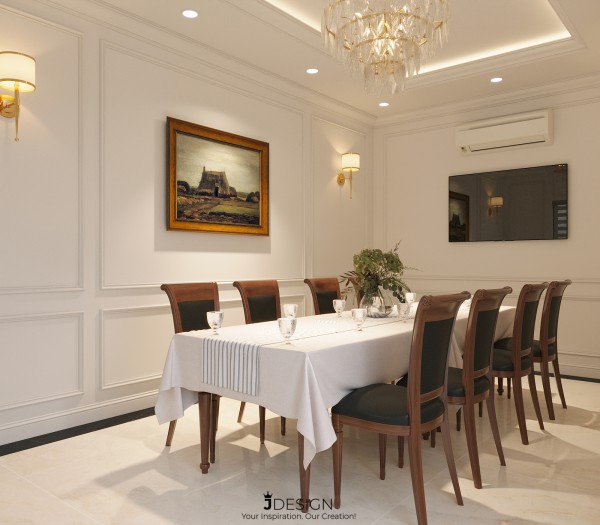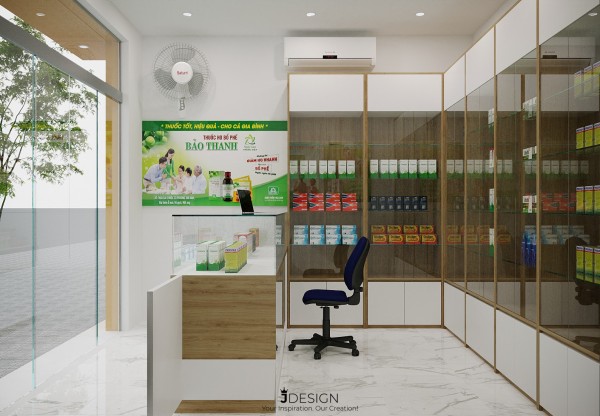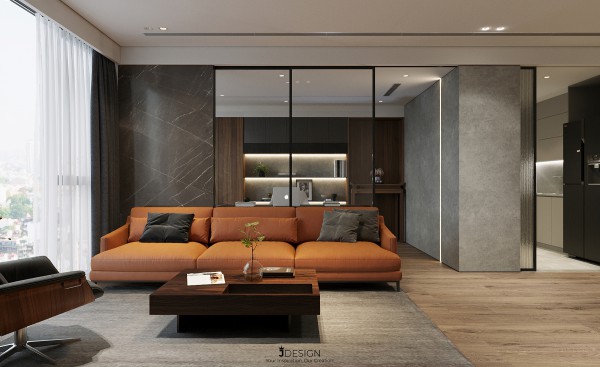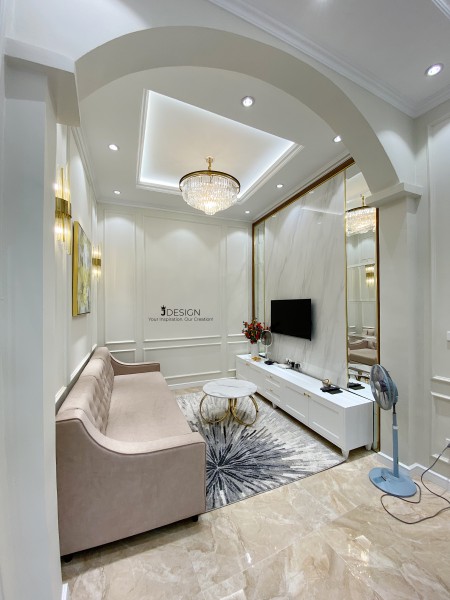


INTERIOR AND BRAND STORY - BRAND STORYTELLING
In the context of increasingly fierce brand competition, businesses build their image not only through products, services, or communication campaigns, but also through the spatial experiences that customers directly perceive. When entering a store, cafe, showroom, or office, customers not only see the products but also feel the atmosphere, style, and values that the brand wants to convey.
Therefore, interior design today is no longer simply about arranging space for aesthetics or convenience, but has become a crucial tool in brand building strategy. Through color, materials, lighting, and spatial arrangement, interior design can tell the brand story visually and emotionally.
Through the theme "Interior Design and Brand Storytelling," JDesign Co., LTD aims to provide a clearer perspective on the role of interior design in conveying brand identity, creating customer experiences, and building a lasting emotional connection between the brand and consumers.
I. The Concept of Interior Design in Brand Building:
*) Concept:
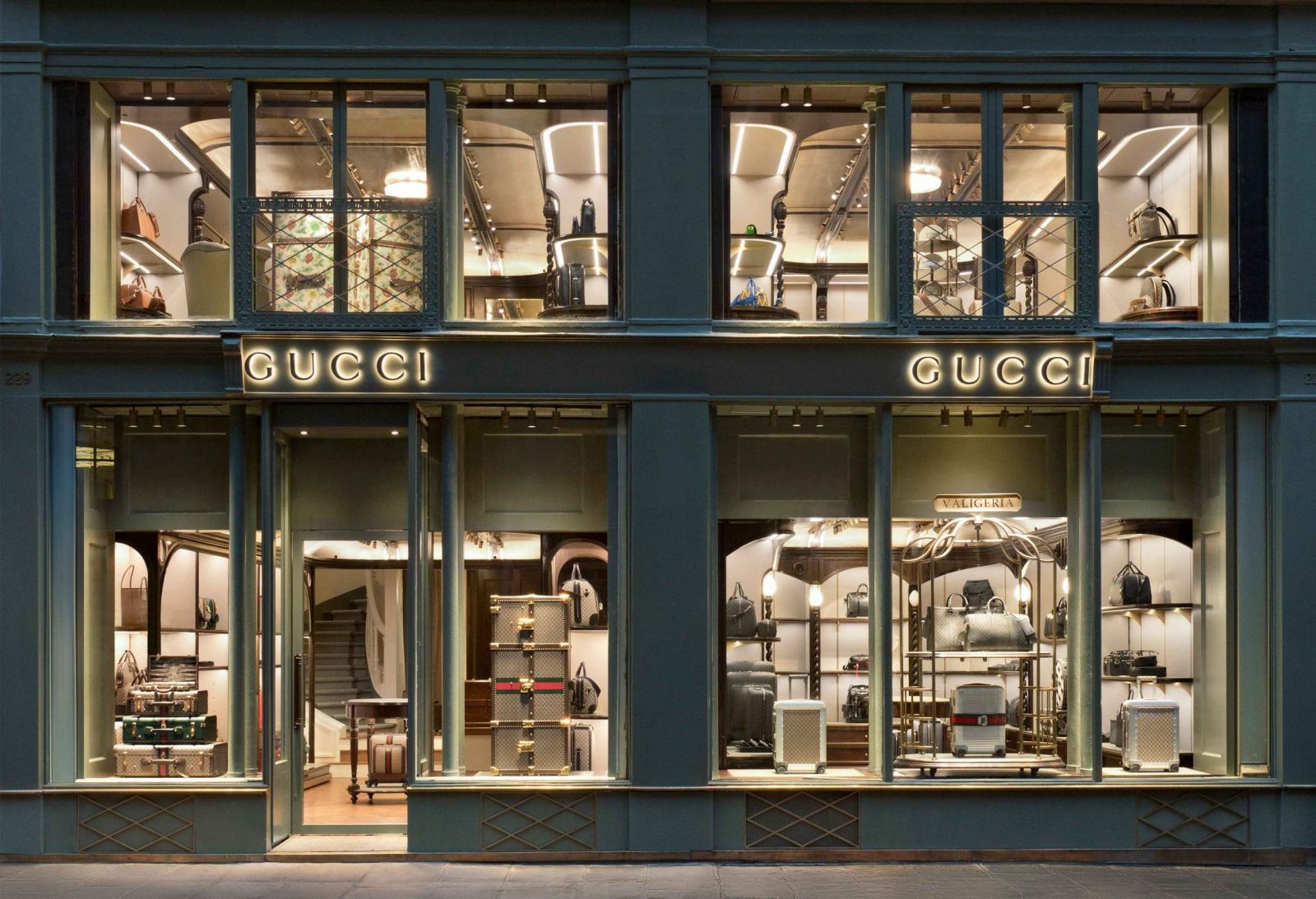
Interior design in a brand space is not simply about arranging furniture or decorating a space to make it aesthetically pleasing and functional. In the context of modern branding, interior design is seen as a visual communication tool , helping to convey the values, messages, and personality of the brand to customers.
A brand's interior space encompasses many elements such as color, materials, lighting, spatial layout, furniture, and decorative elements. When these elements are intentionally designed, they create a spatial language that allows customers to perceive and understand the brand identity without relying on words or advertising.
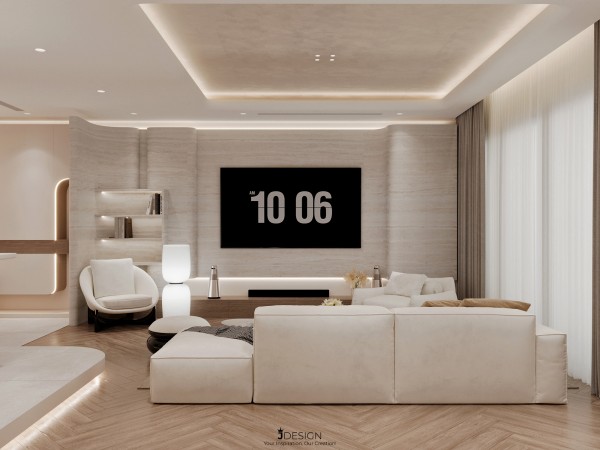
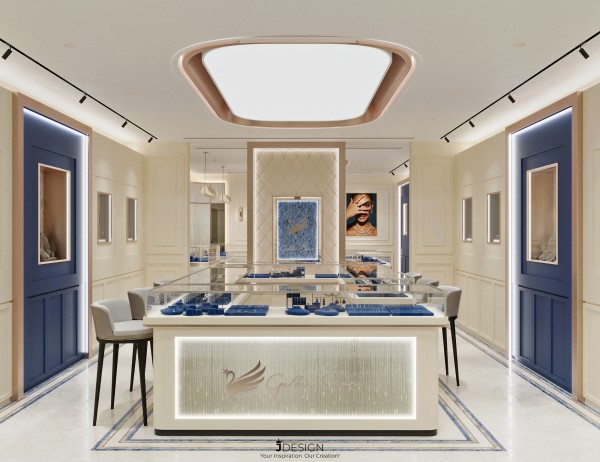
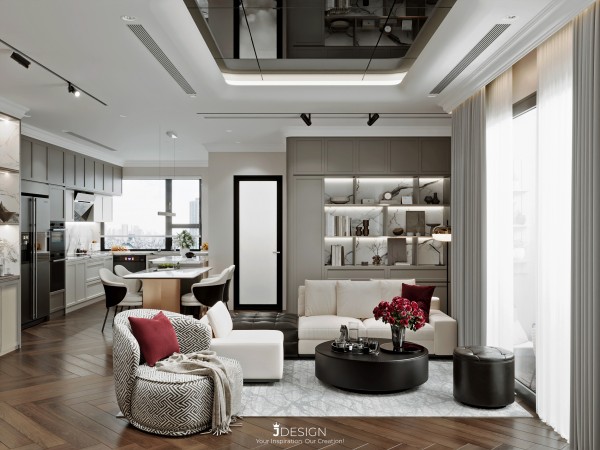
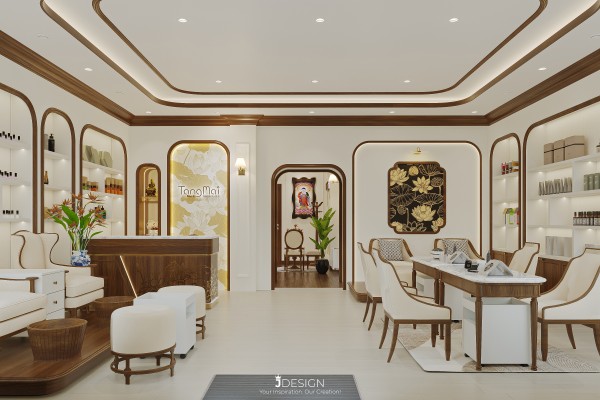
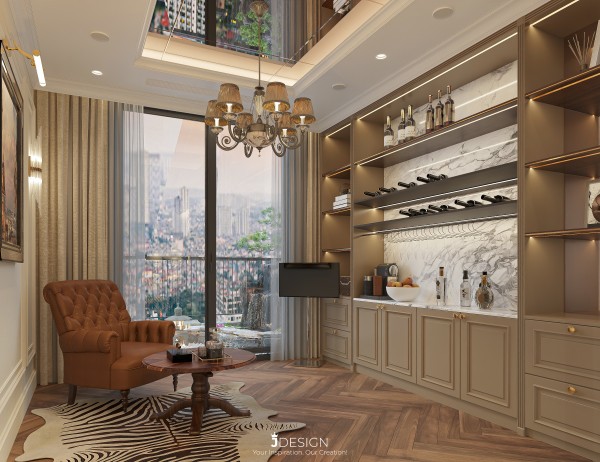
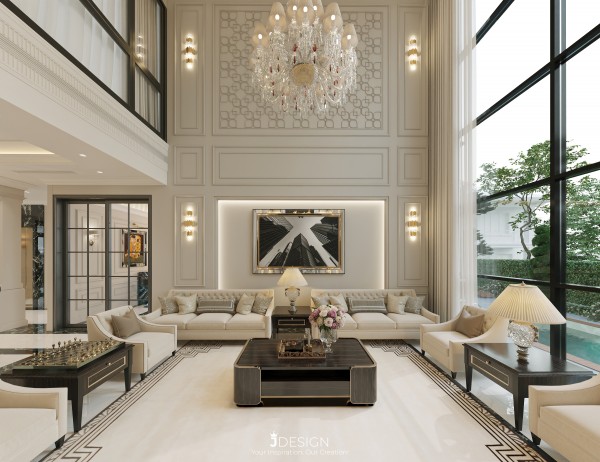
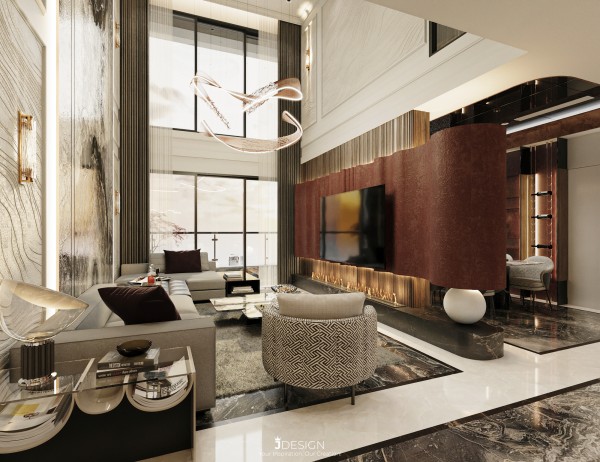
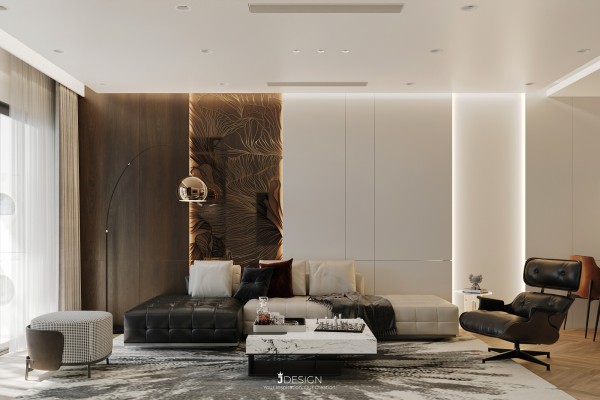
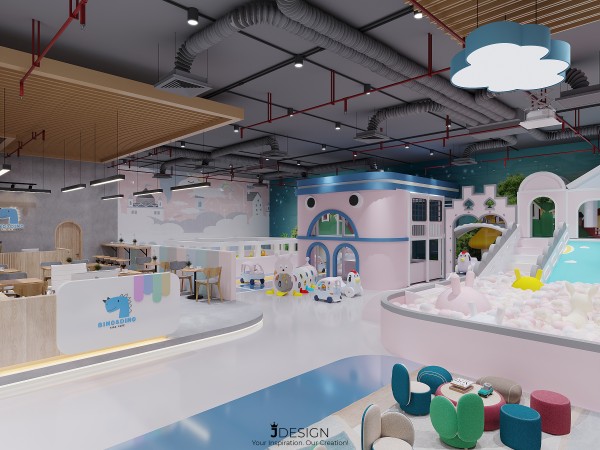
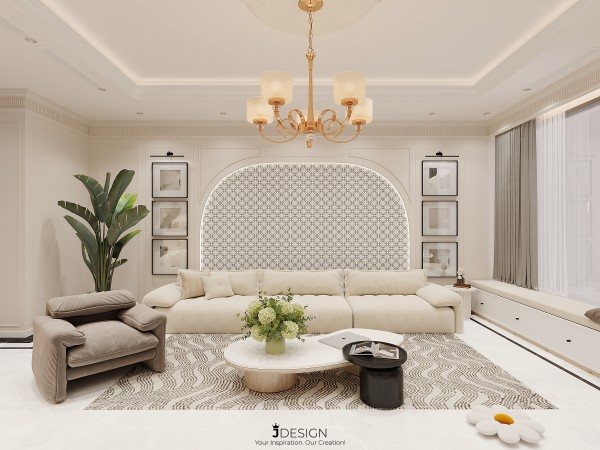
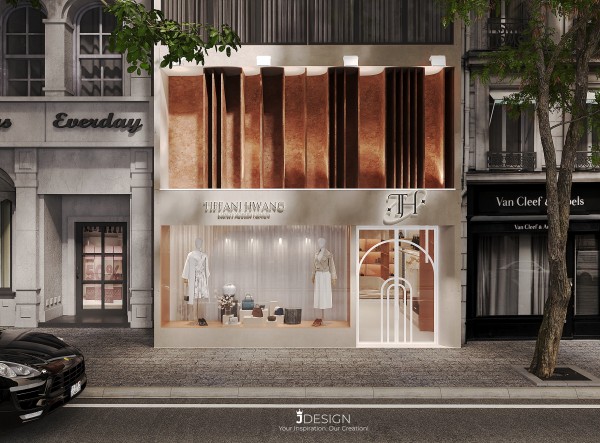
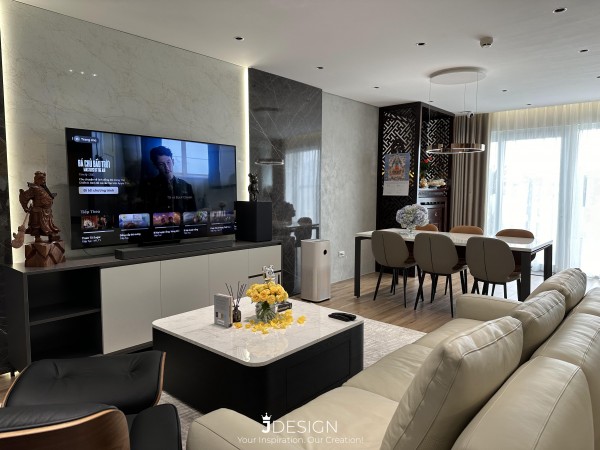
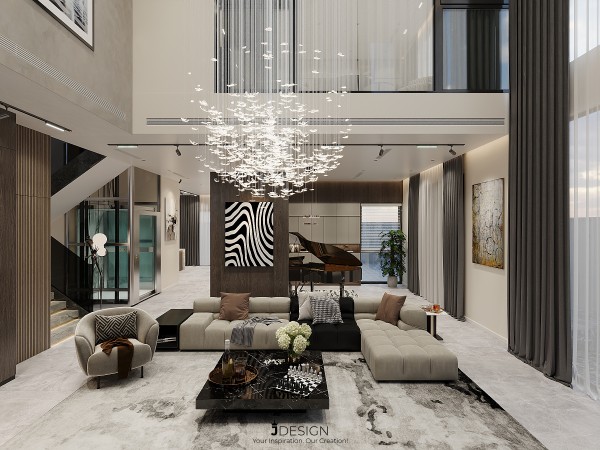
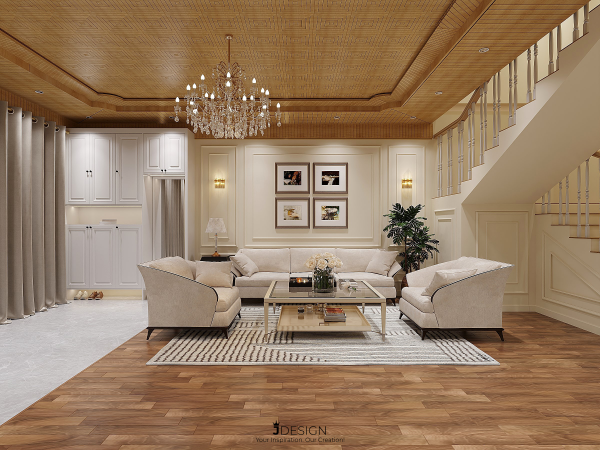
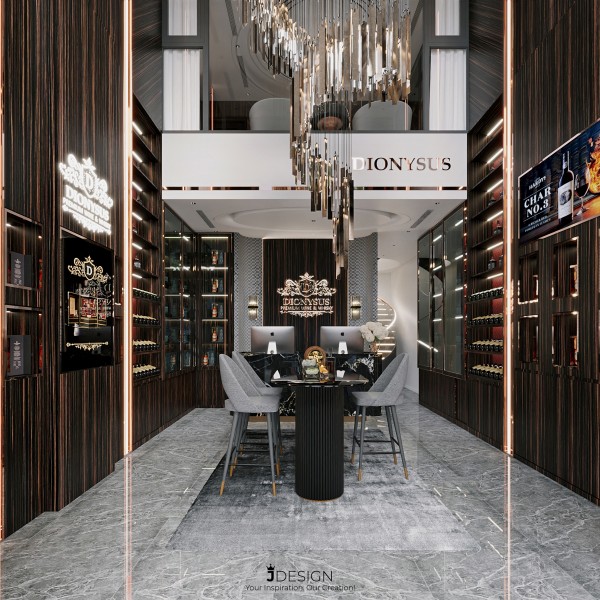
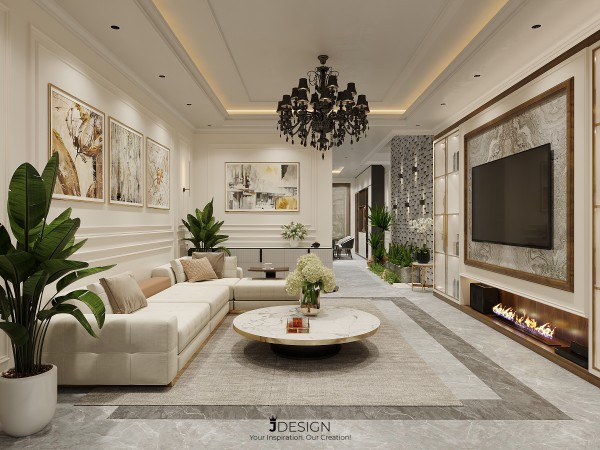
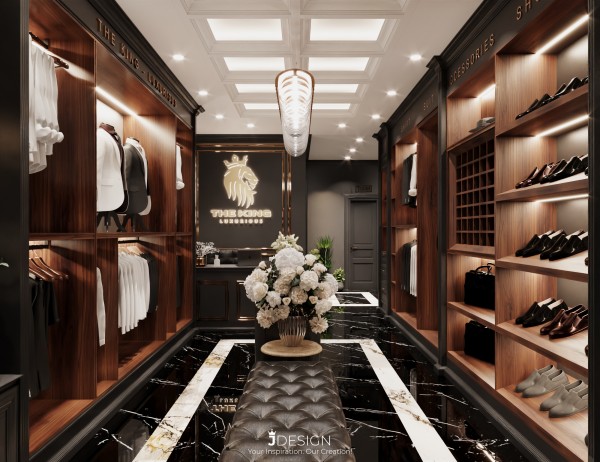
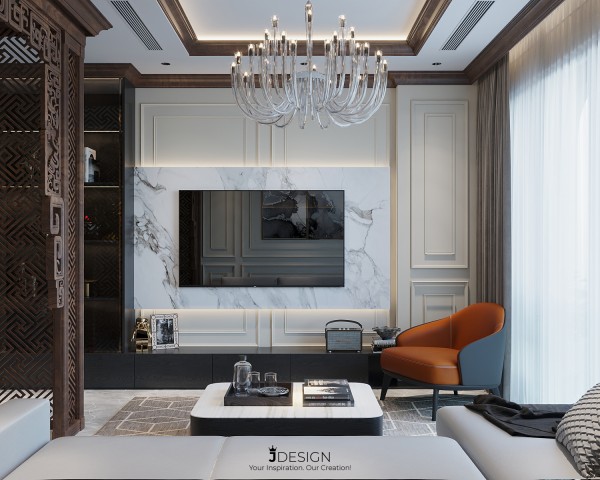
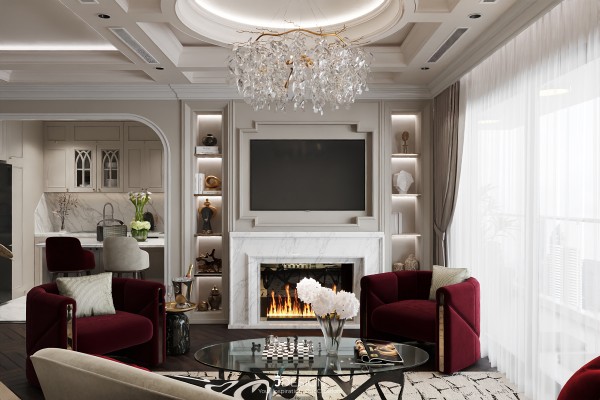
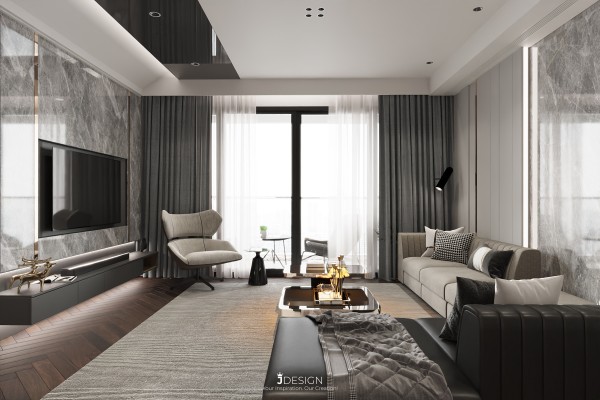
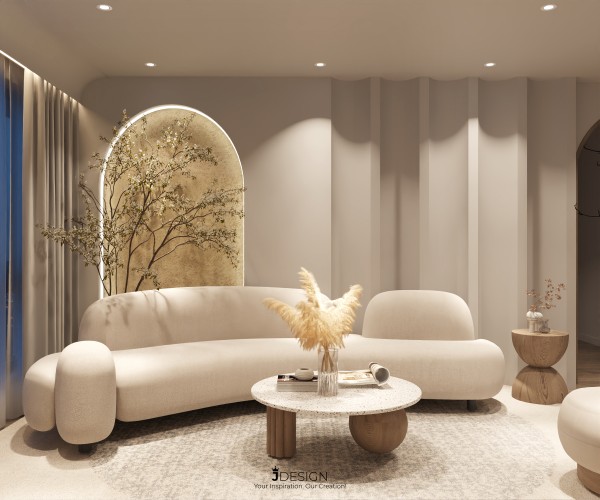
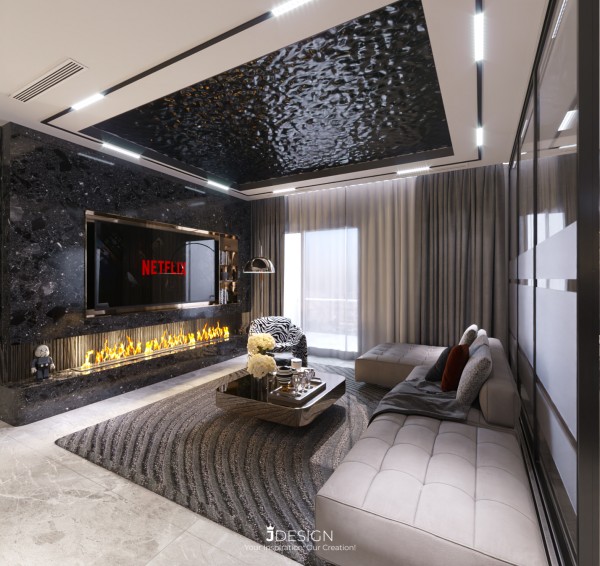
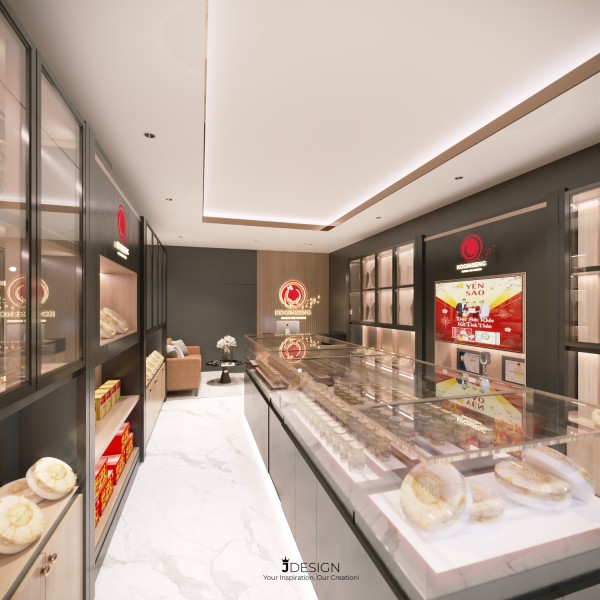
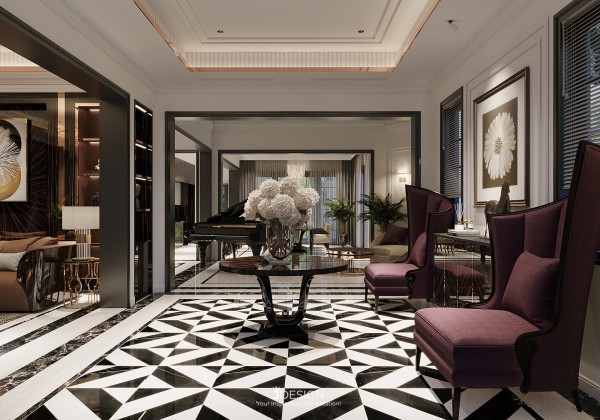
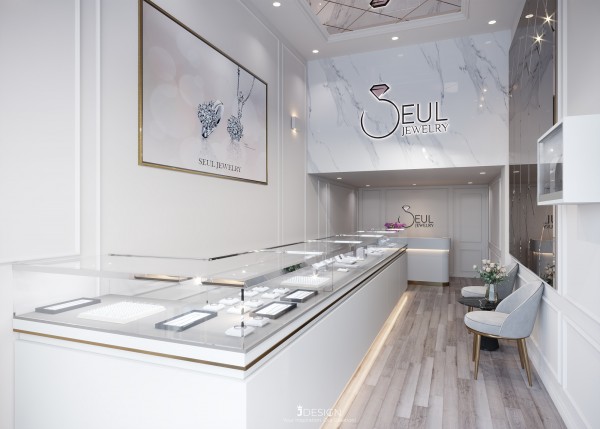
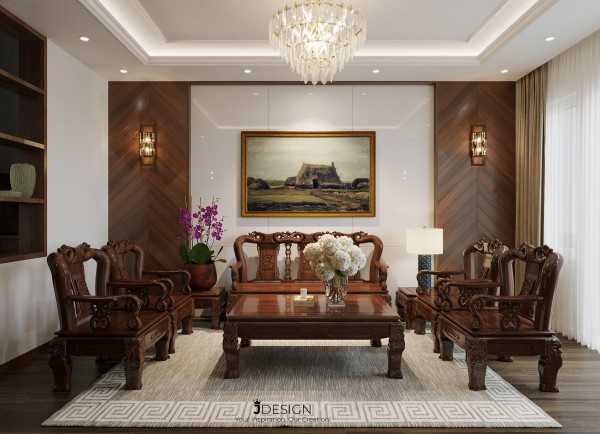
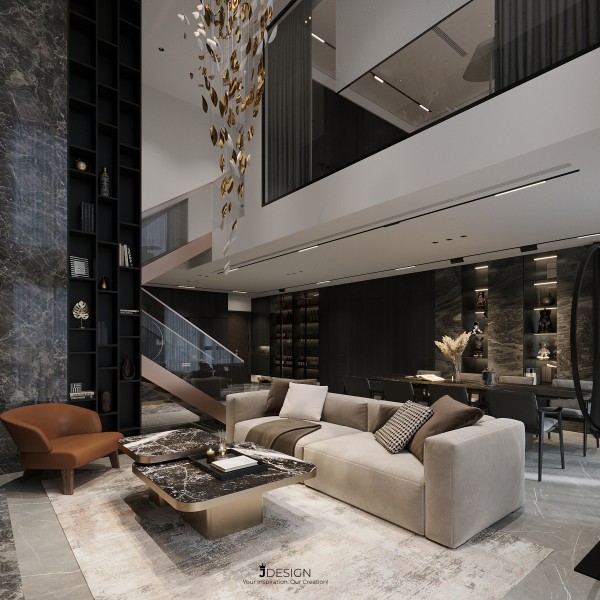
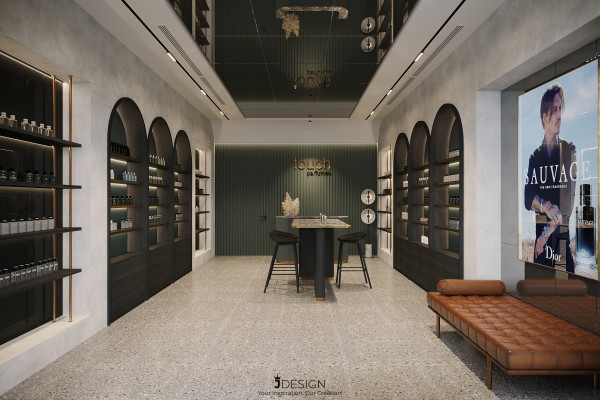
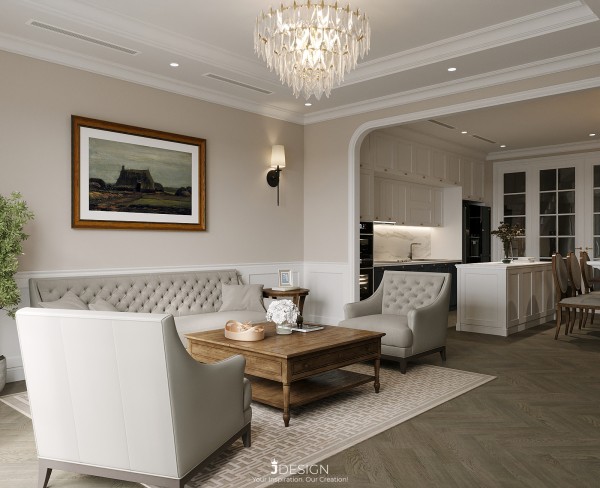
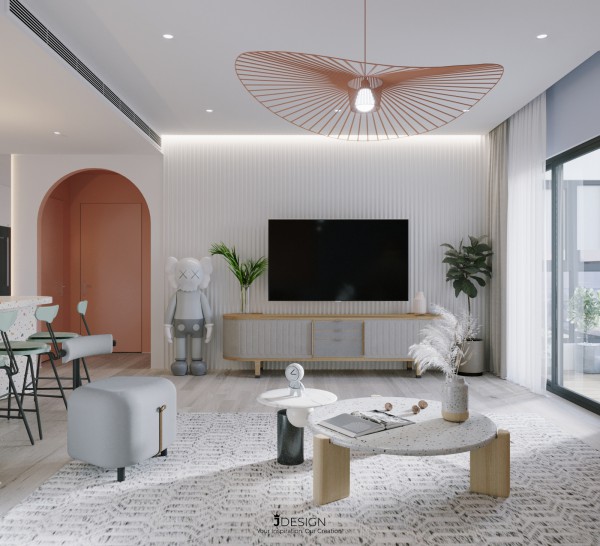
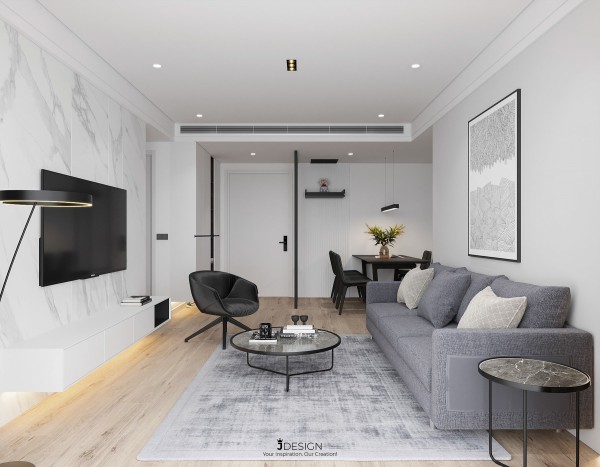
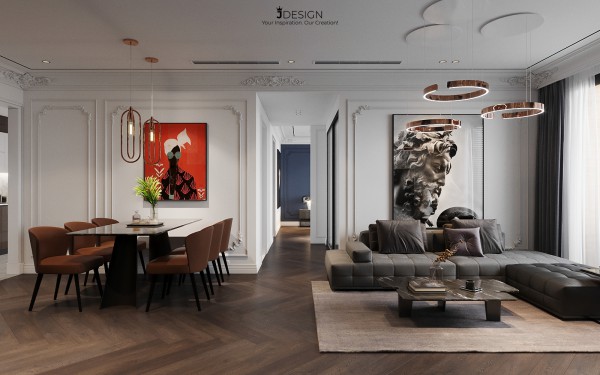
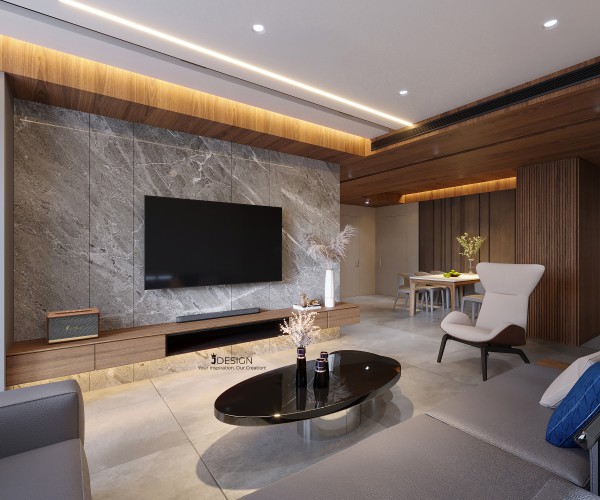
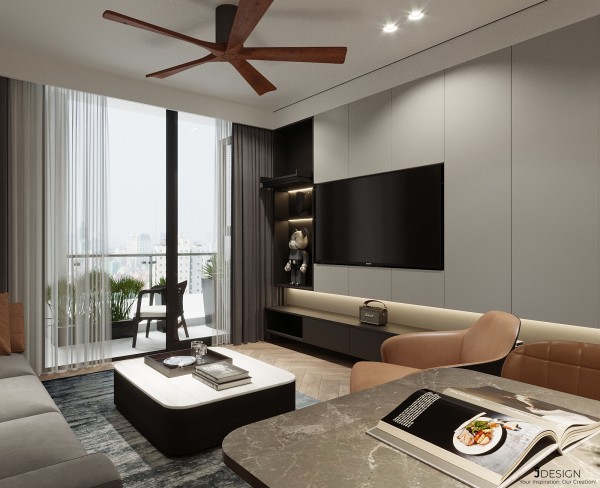
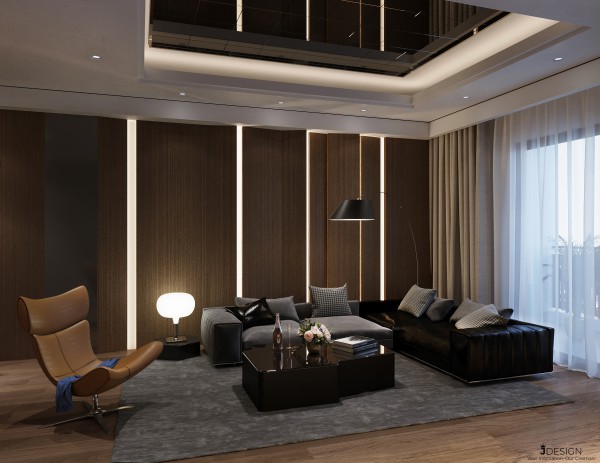
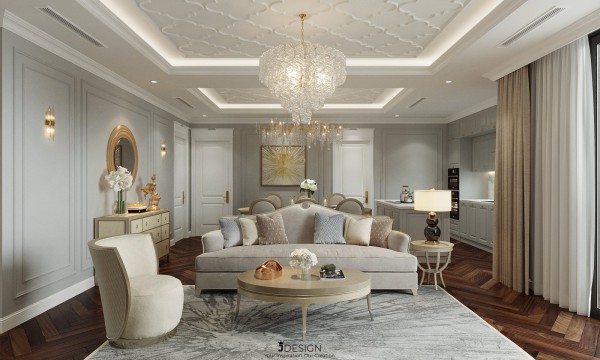
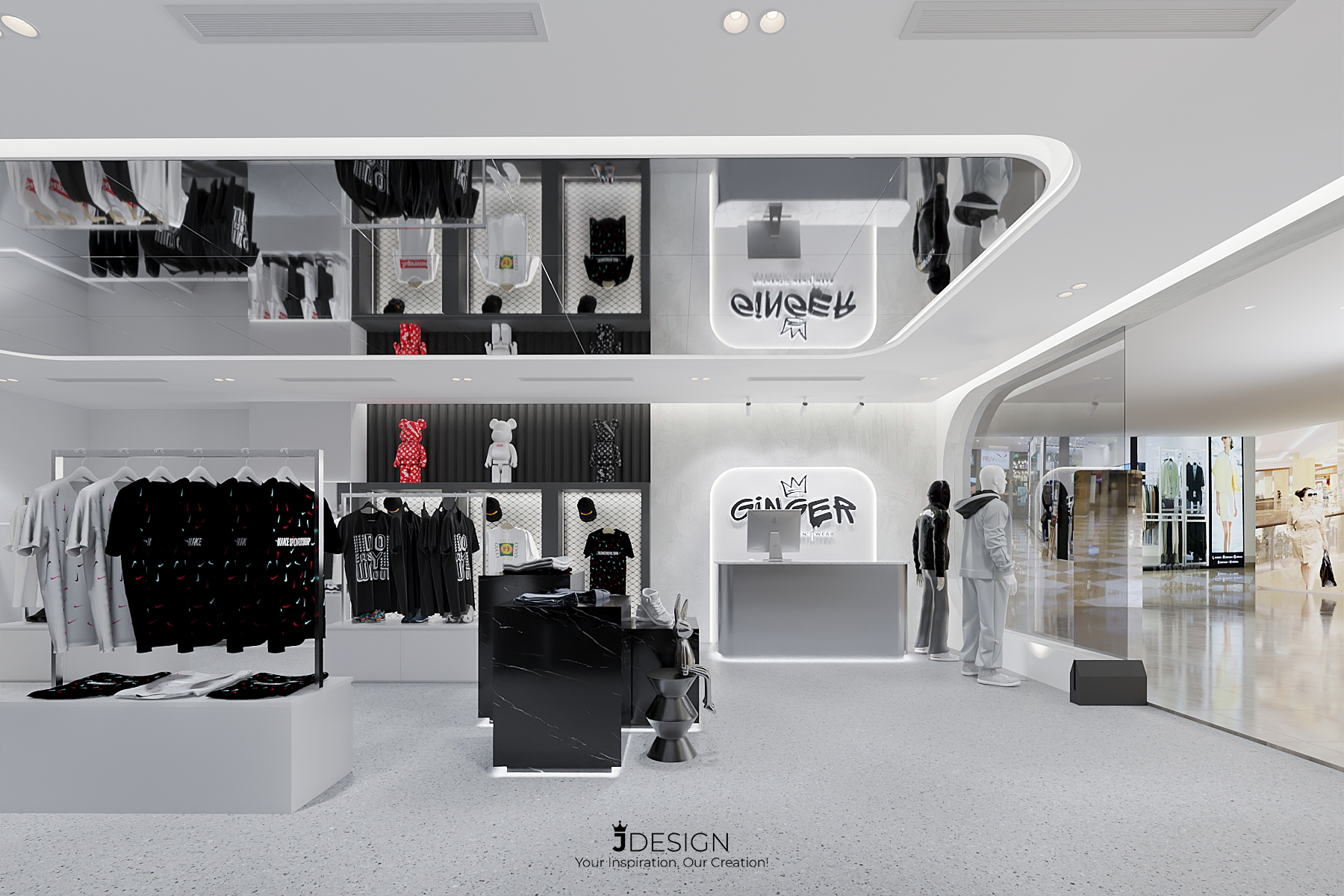
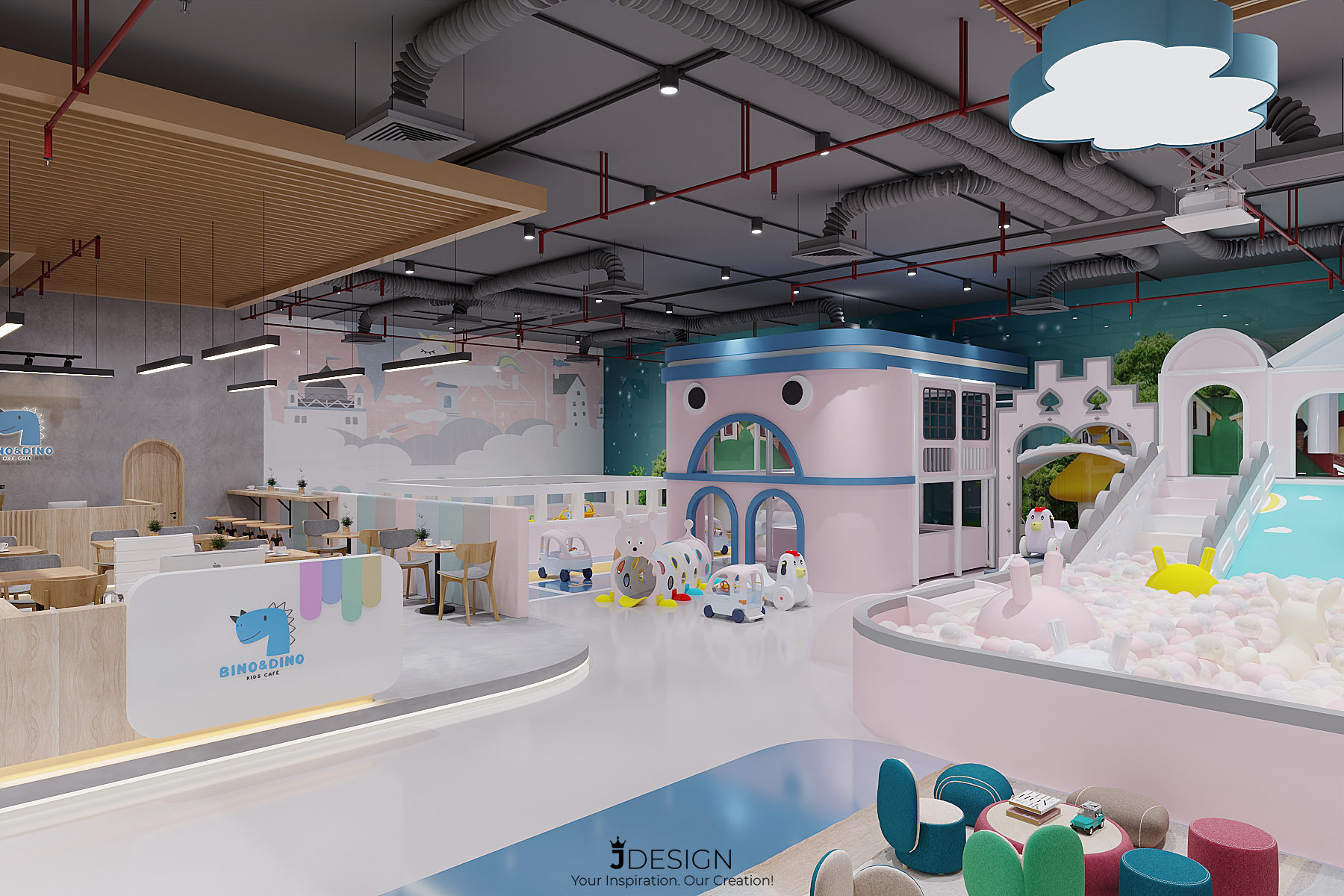
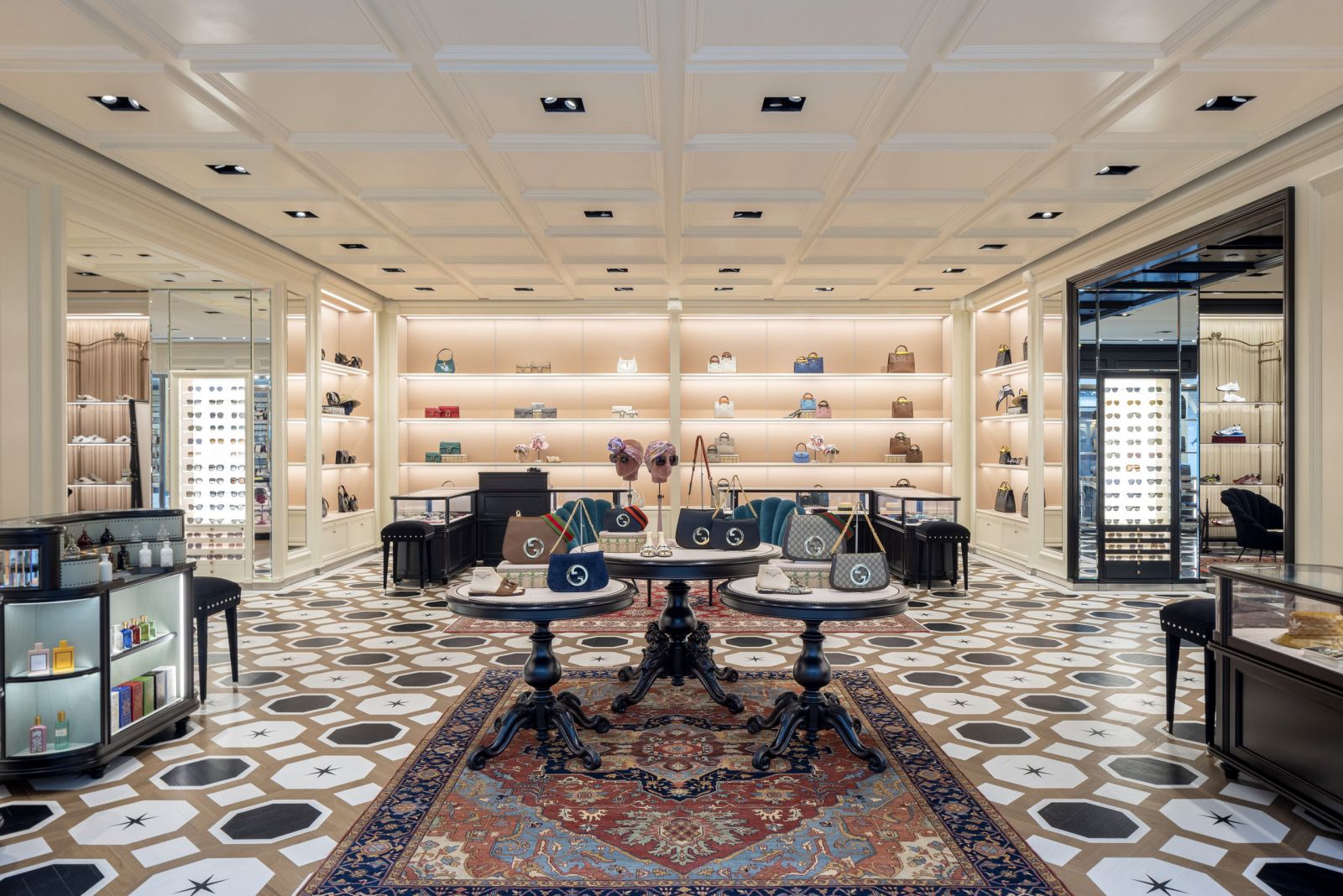
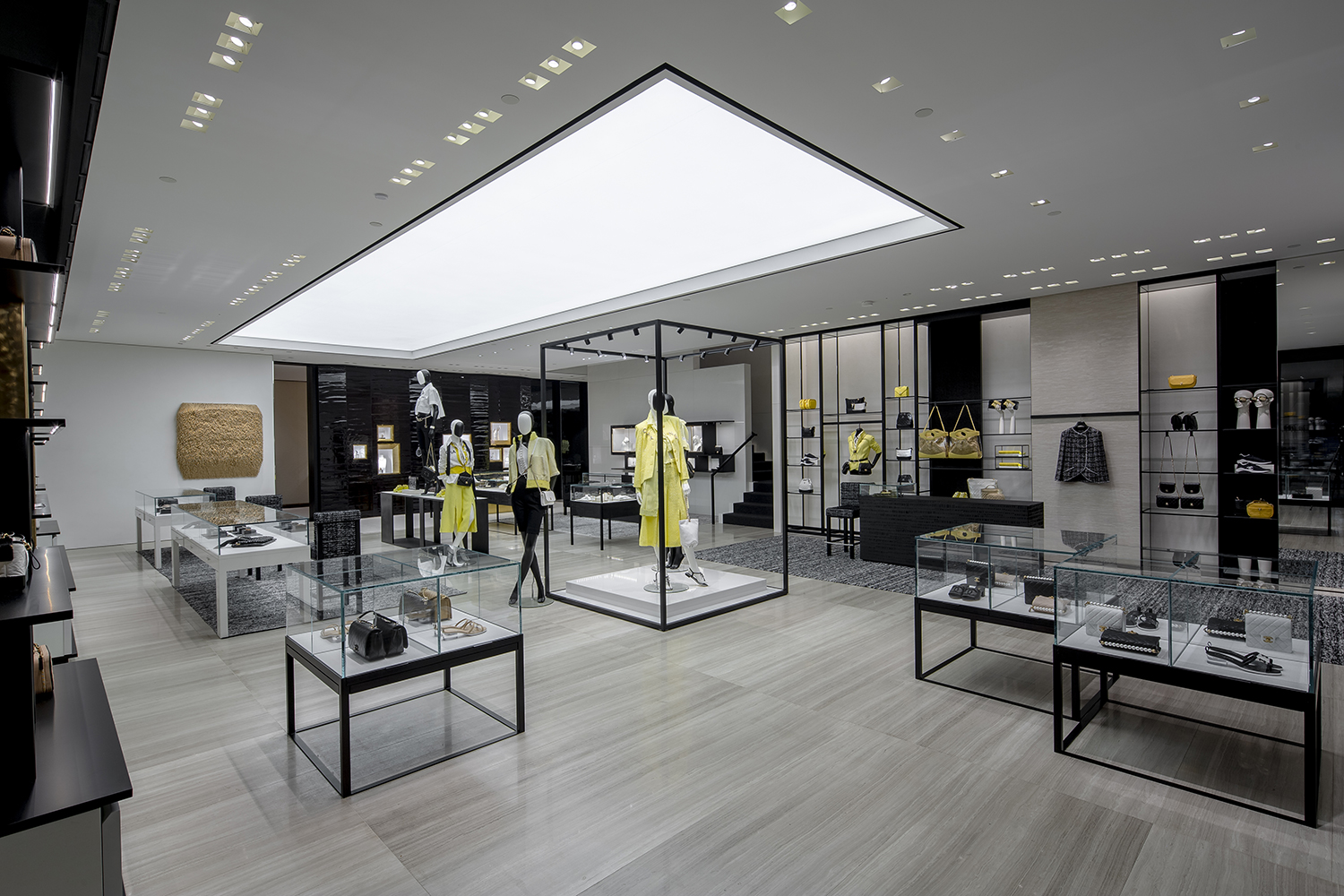
For example, a brand aiming for luxury and sophistication would use high-end materials such as stone, metal, natural wood, and subtle lighting to create a sense of luxury. Conversely, a youthful, dynamic brand might use bright colors, flexible designs, and modern materials to express creativity and energy.
*) The role of interior design in the customer experience:
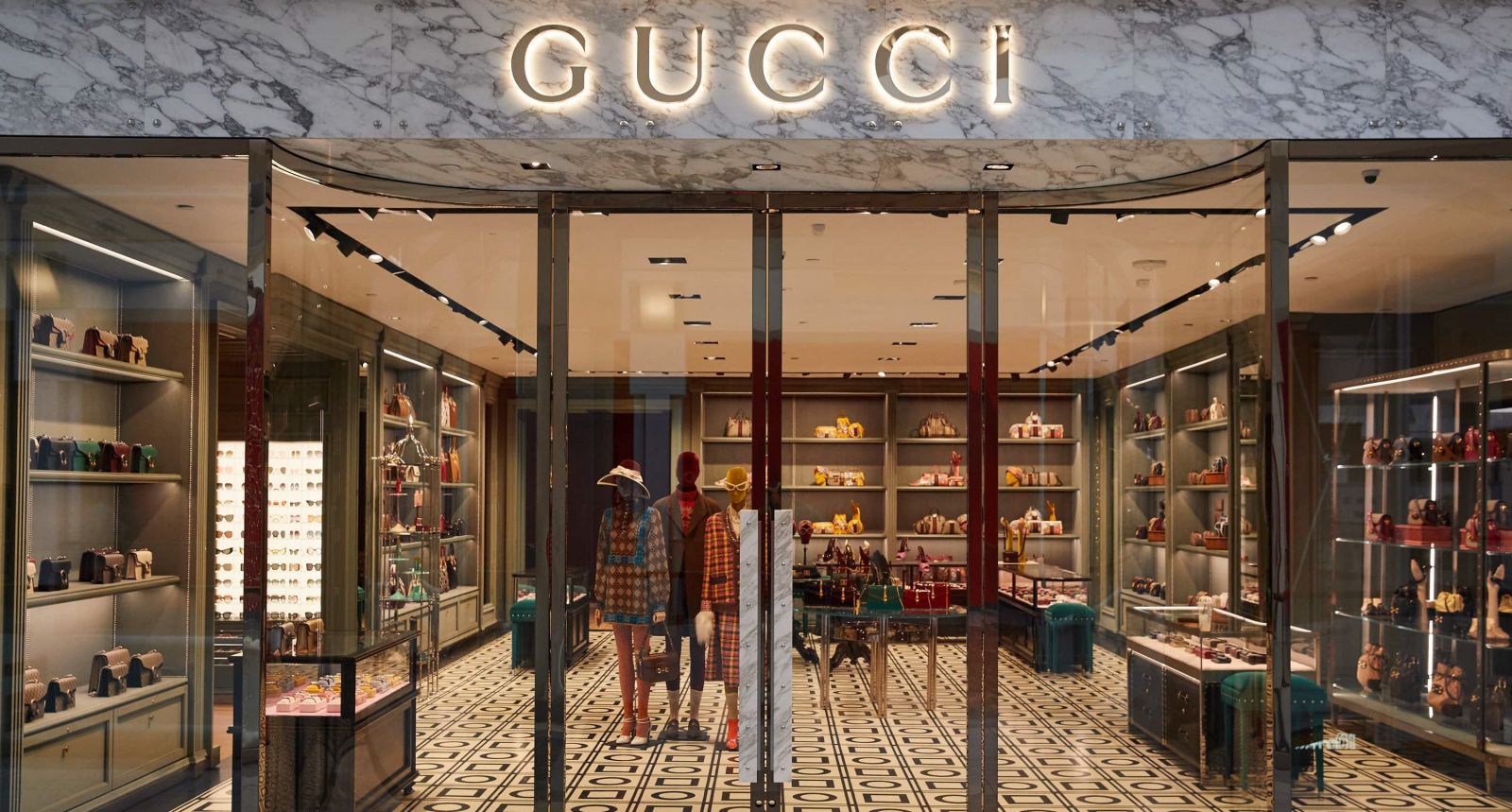
Interior design plays a crucial role in creating a customer experience . When customers enter a branded space such as a store, cafe, office, or showroom, they not only see the products but also feel the entire atmosphere of the brand .
*) A well-designed interior space can:
+ Make a strong first impression on customers
+ Evokes positive emotions such as comfort, excitement, or trust
+ Guide customers to move around and explore the space in a natural way.
+ Increase the time customers spend and interact with the brand.
Today, customer experience is considered a crucial factor in building brand loyalty. Therefore, interior design not only serves aesthetic purposes but also plays a strategic role in marketing and brand building .
*) The difference between conventional interior design and branded interior design:
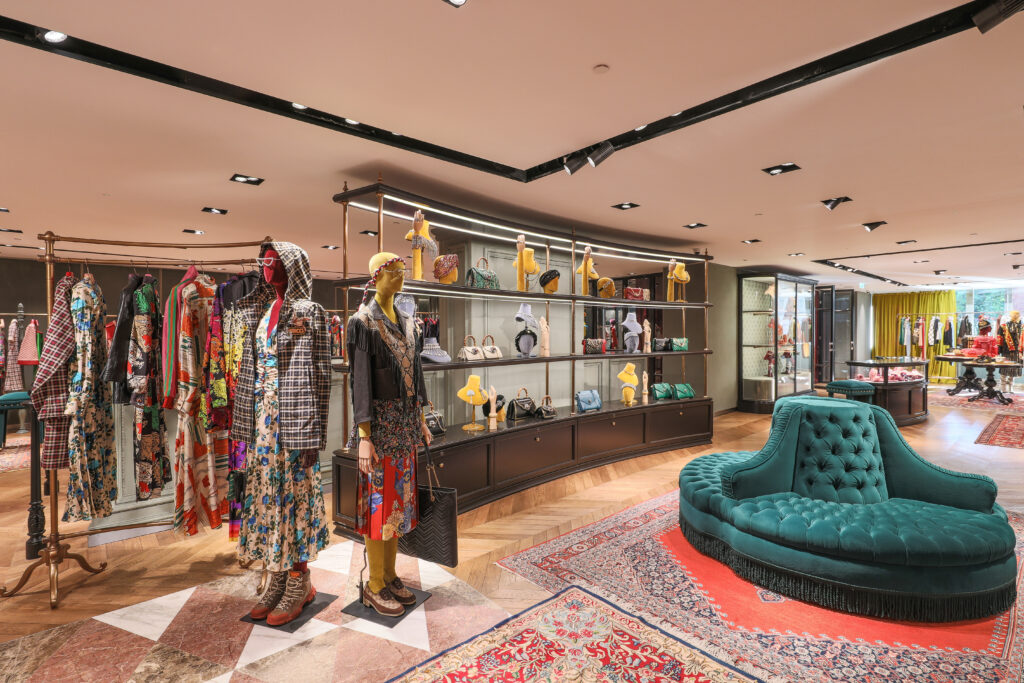
- Conventional interior design primarily focuses on elements such as functionality, aesthetics, and the comfort of the space. The main goal is to create a comfortable living or working environment for the user.
Meanwhile, Brand-oriented Interior Design goes even further. Beyond the basic elements, it must ensure that every detail in the space reflects the brand's identity and core values.
*) Some key differences include:
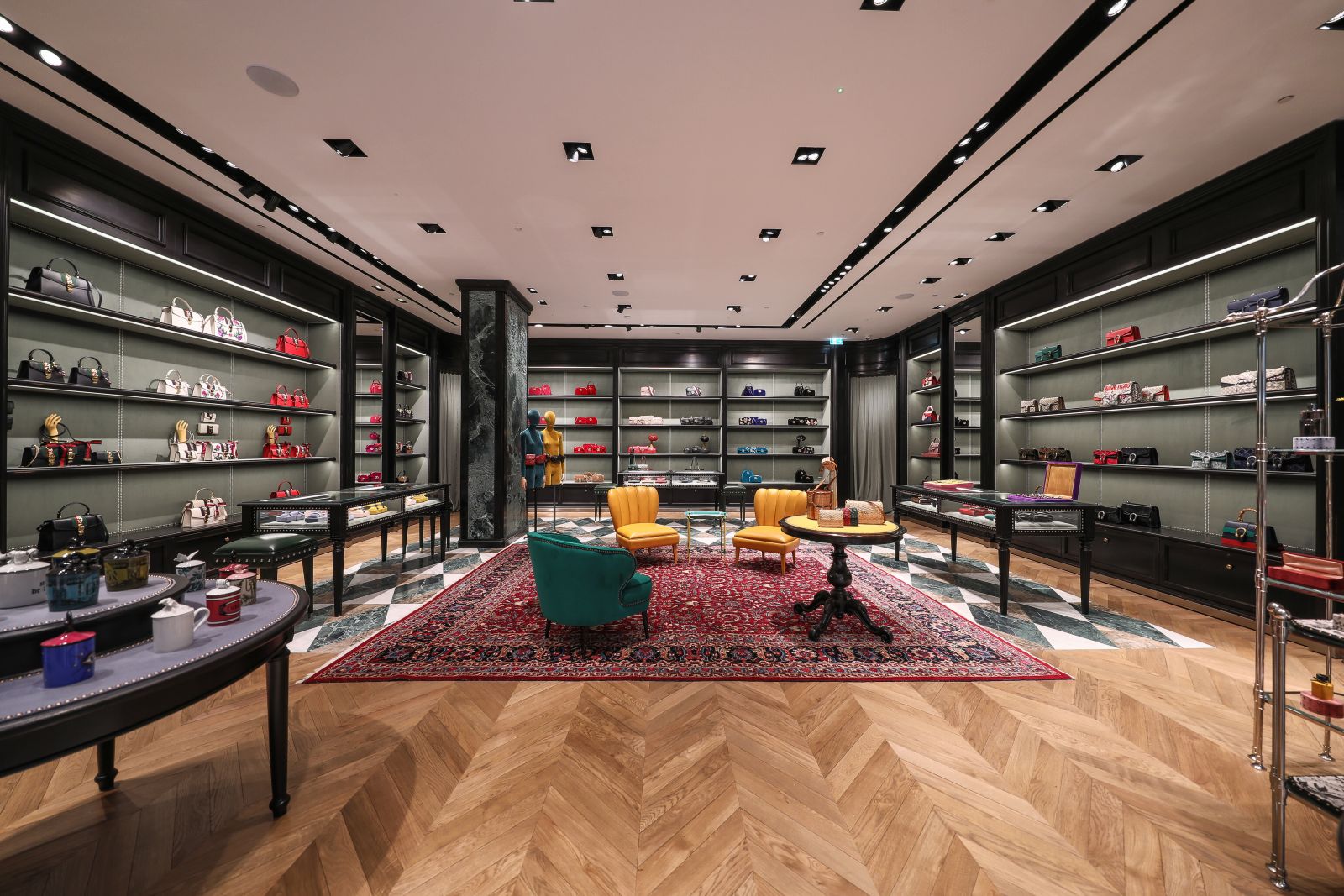
+ Design objectives: Conventional interiors focus on comfort, while branded interiors aim to convey the brand message.
+ Consistency: Branded interiors must be consistent with the company's logo, colors, communication style, and marketing strategy.
+ Emotional experience: Branded interiors are designed to evoke emotions and tell a story, helping customers connect more deeply with the brand.
II. The Concept of Brand Storytelling:
*) Concept:
Brand storytelling is a method of building and communicating a brand through storytelling . Instead of simply providing information about products or services, brands tell meaningful stories to create an emotional connection with customers.
- A brand story can revolve around:
+ The history of the brand's formation
+ Mission and core values
+ The journey of development and the challenges overcome
+ Stories about customers or communities
Through these stories, the brand becomes more relatable and memorable in the minds of consumers.
*) The Importance of Brand Story in Marketing:
In an increasingly competitive market, products and services often have comparable quality. Therefore, what makes a brand stand out is the story and emotion it conveys .
- Brand storytelling helps:
+ Differentiate your brand
+ Build trust with customers
+ Increase brand recall
+ Creates a deep emotional connection
Brands with clear and compelling stories tend to build loyal customer communities more easily than brands that focus solely on product advertising.
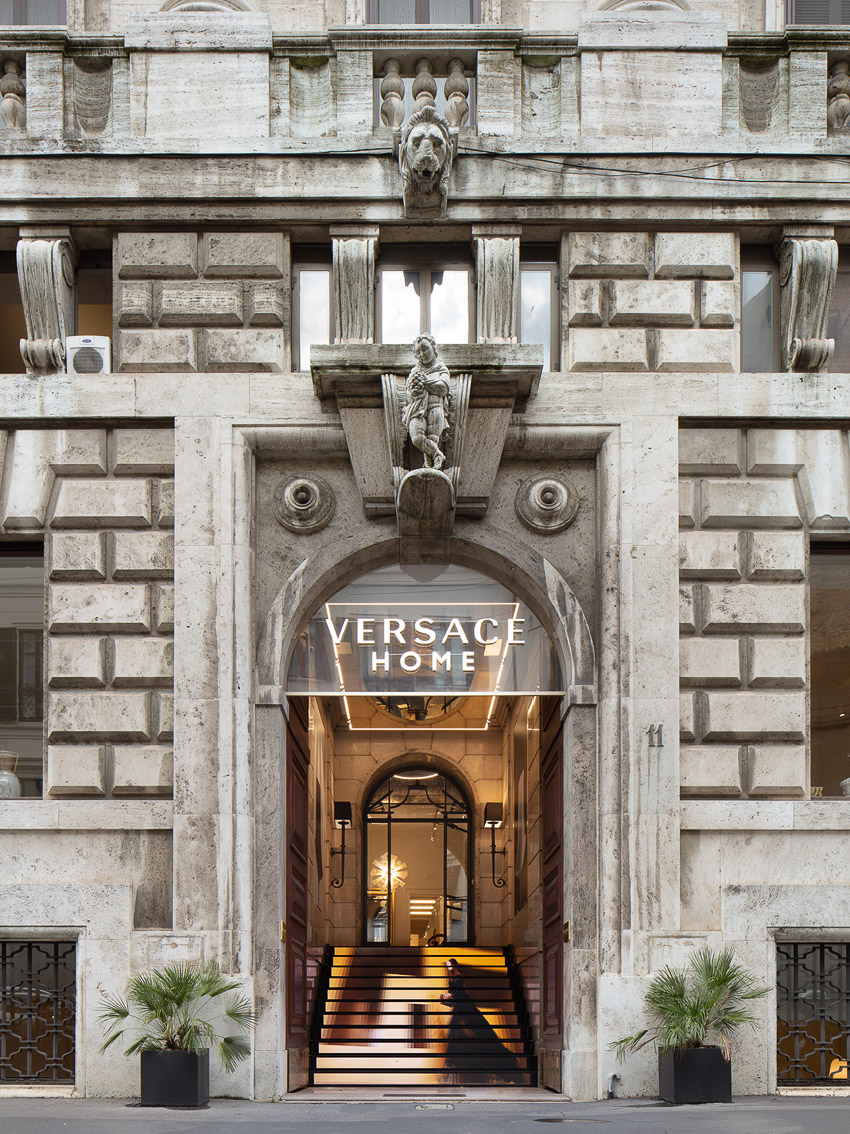
*) The elements that make up an effective Brand Story:
- An effective brand story typically includes the following elements:
1. Character – this could be the founder, a customer, or the brand itself.
2. Setting – the environment or circumstances in which the story takes place.
3. Conflict or challenge – difficulties or problems that need to be solved.
4. Solution – how the brand solves the problem and creates value.
5. Message – the value or lesson that the brand wants to convey.
When these elements are combined effectively, the brand story becomes compelling and easily leaves a lasting impression on customers' minds.
III. The Relationship Between Interior Design and Brand Storytelling:
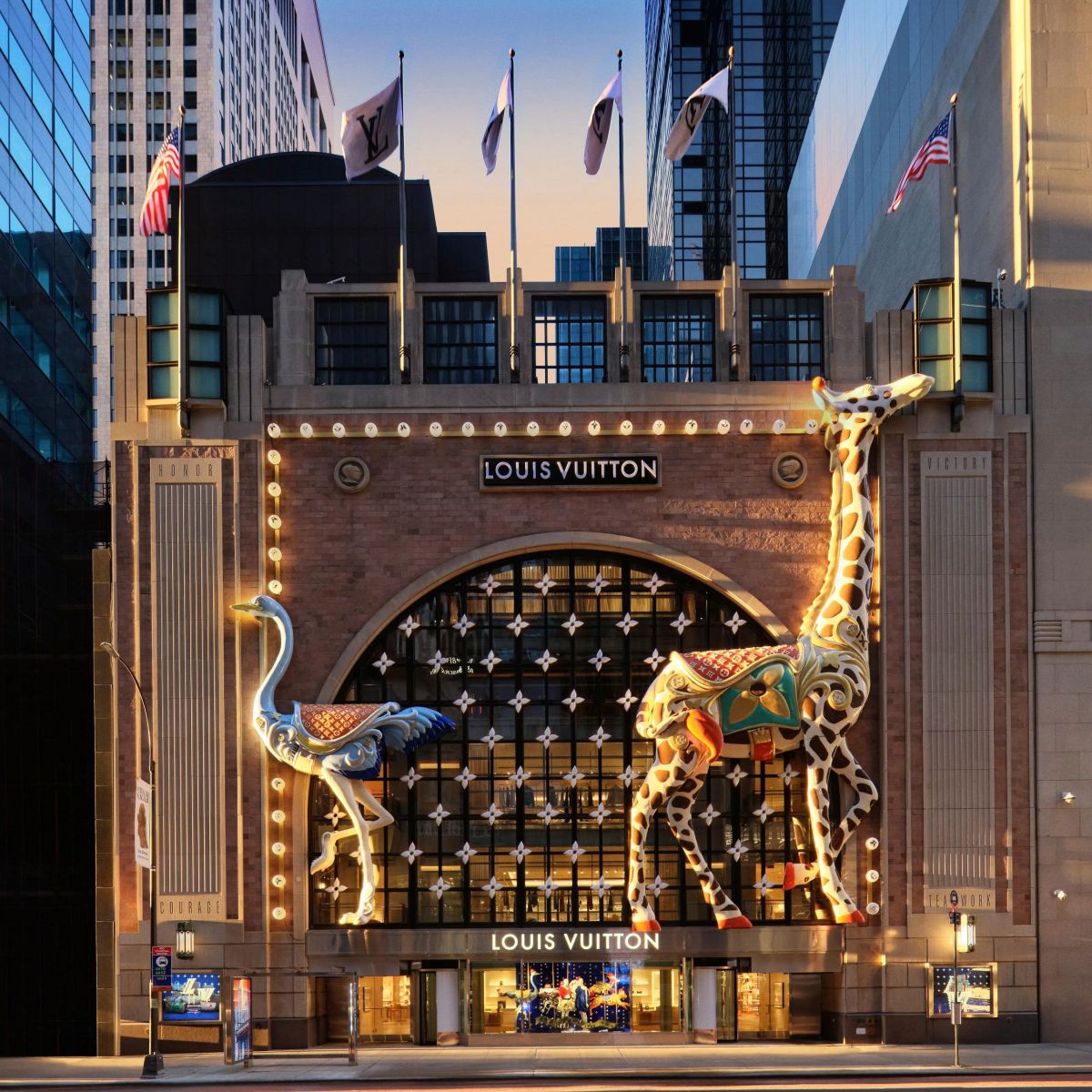
1. Interior design as a medium for telling the brand story:
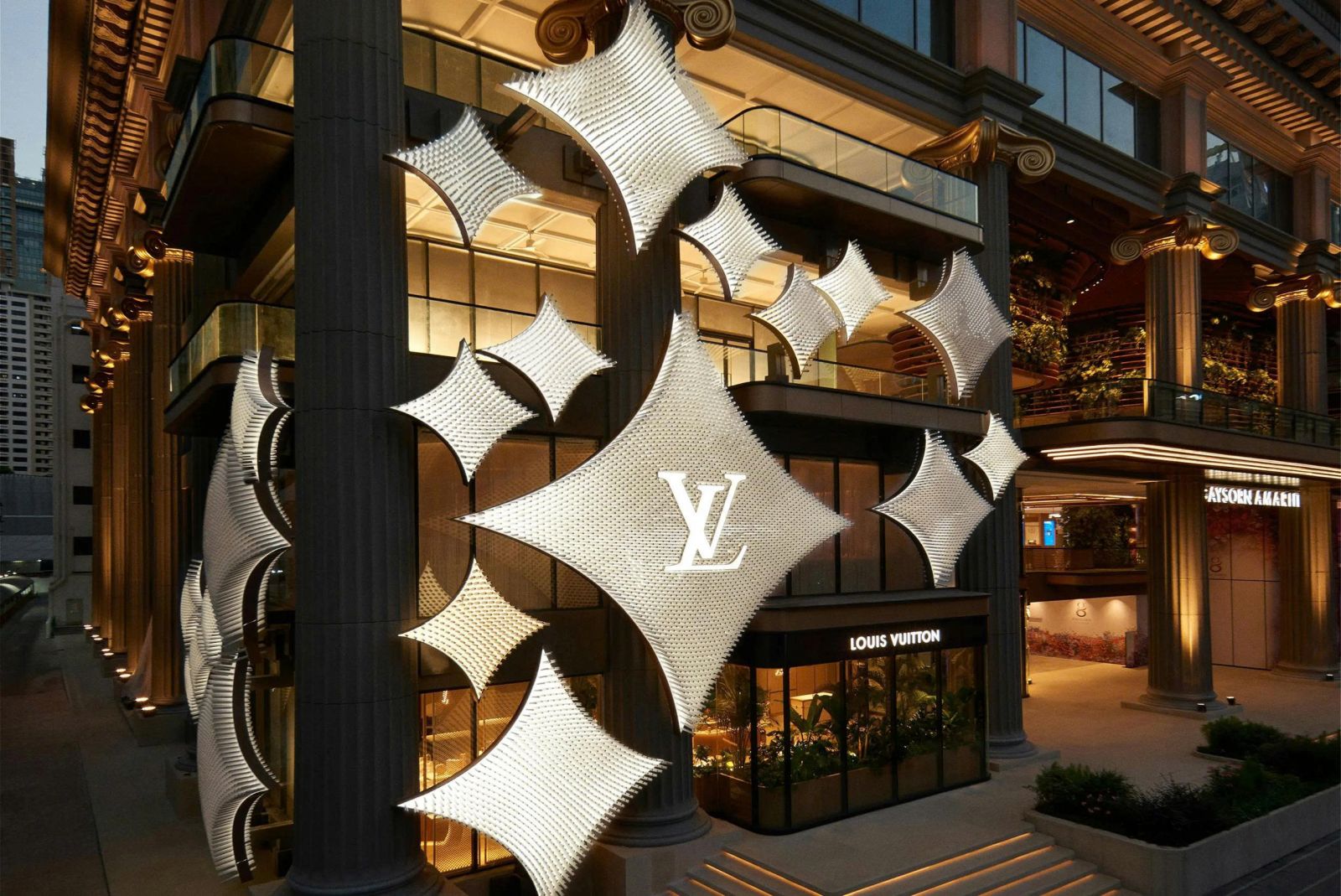
Interior spaces can be viewed as a visual storytelling medium . Through spatial arrangement, material selection, color schemes, and decorative elements, brands can tell their story vividly and understandably.
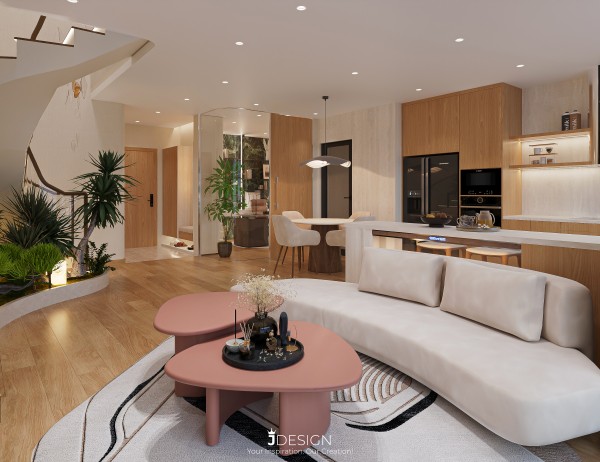
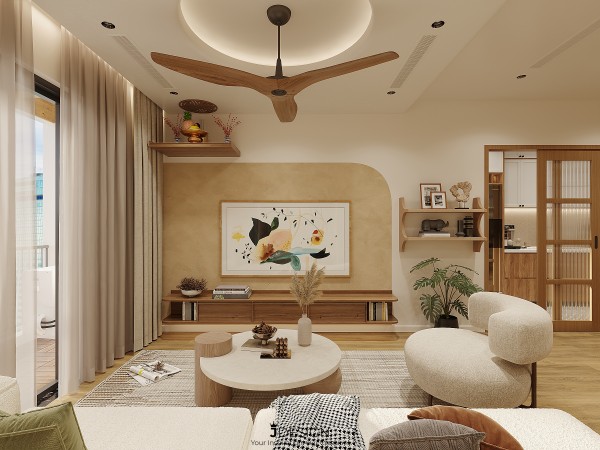
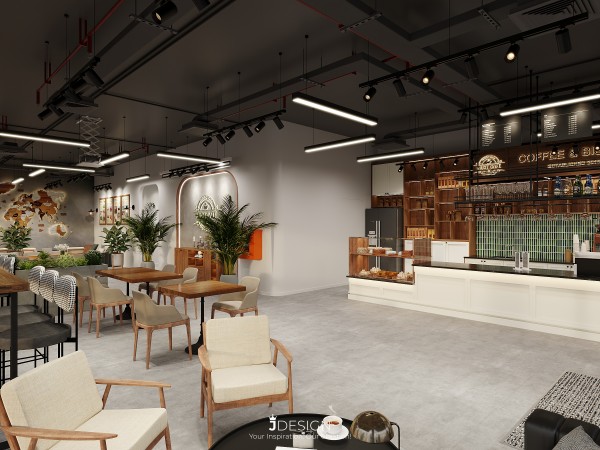
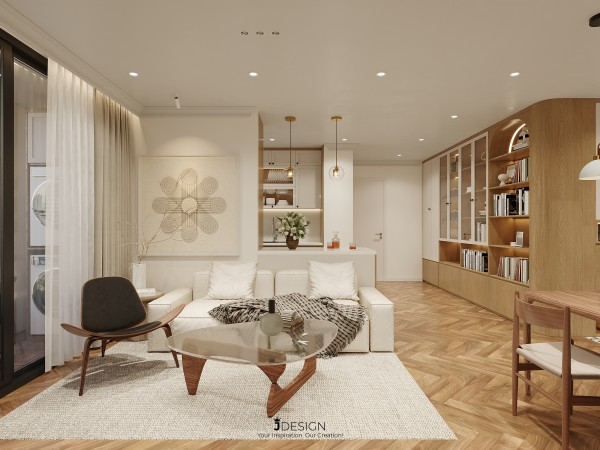
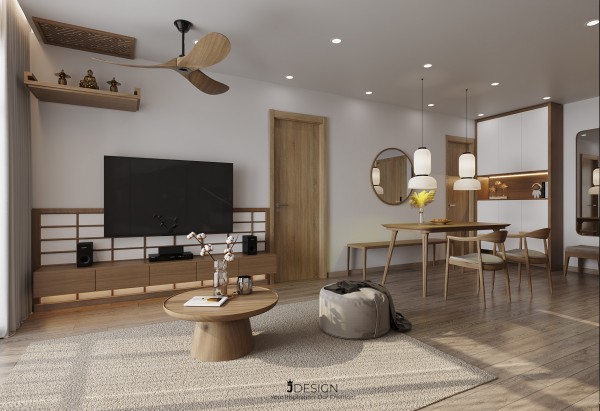
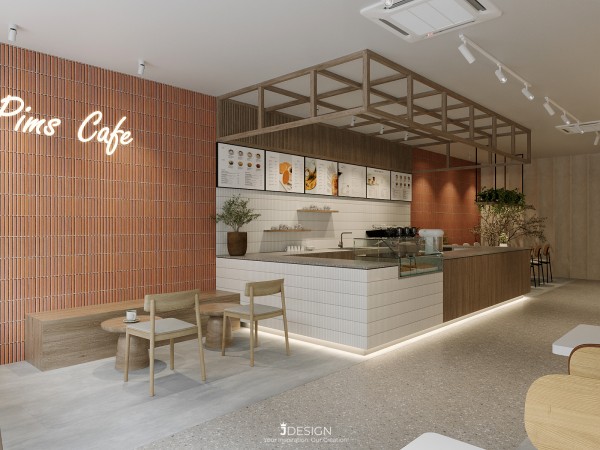
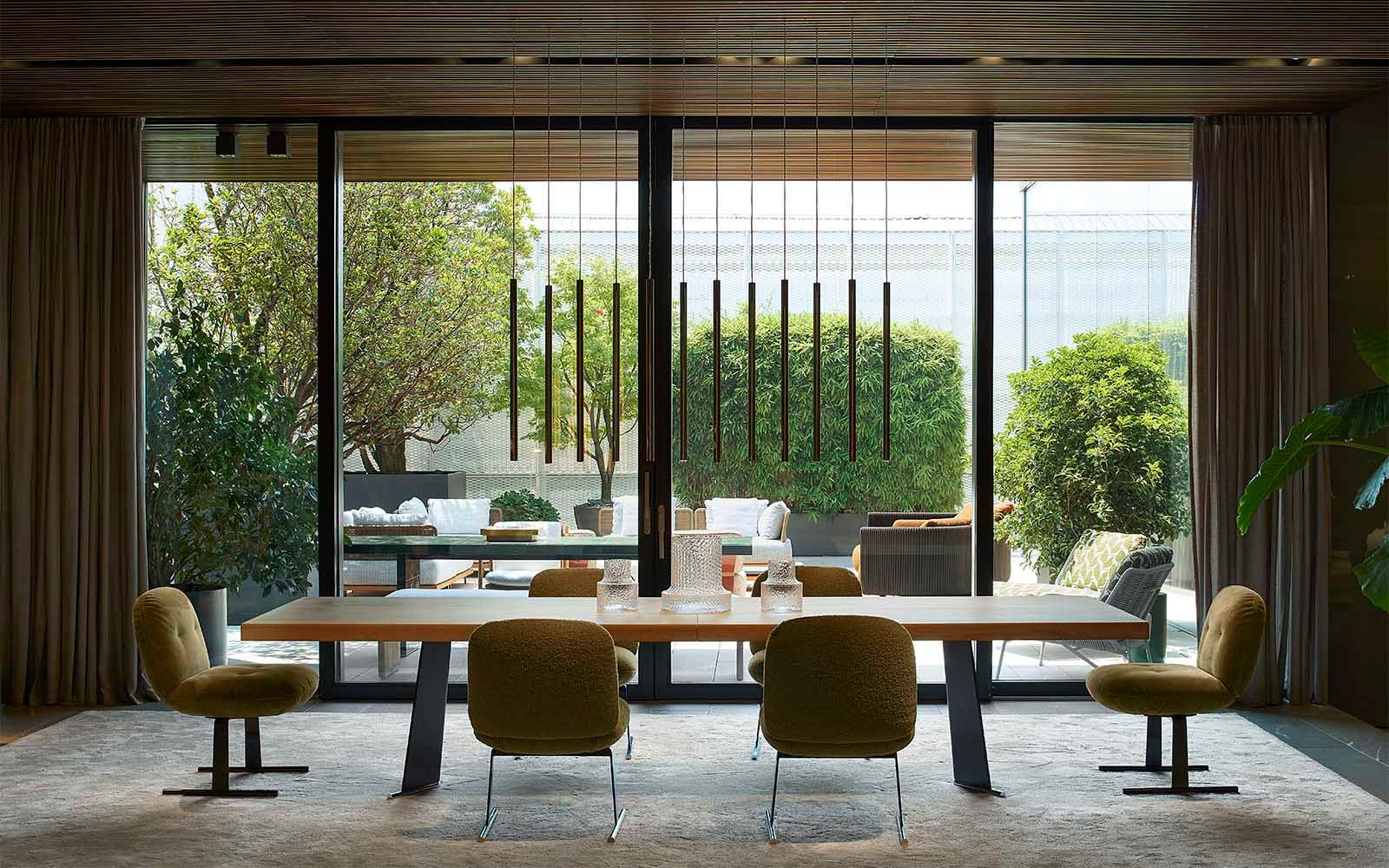
For example, a coffee brand wanting to emphasize its natural origins could use wood, greenery, and natural light to create a sense of closeness to nature. These elements help customers feel the brand's story as soon as they enter the space.
2. The Impact of Interior Space on Customer Emotions and Perceptions:
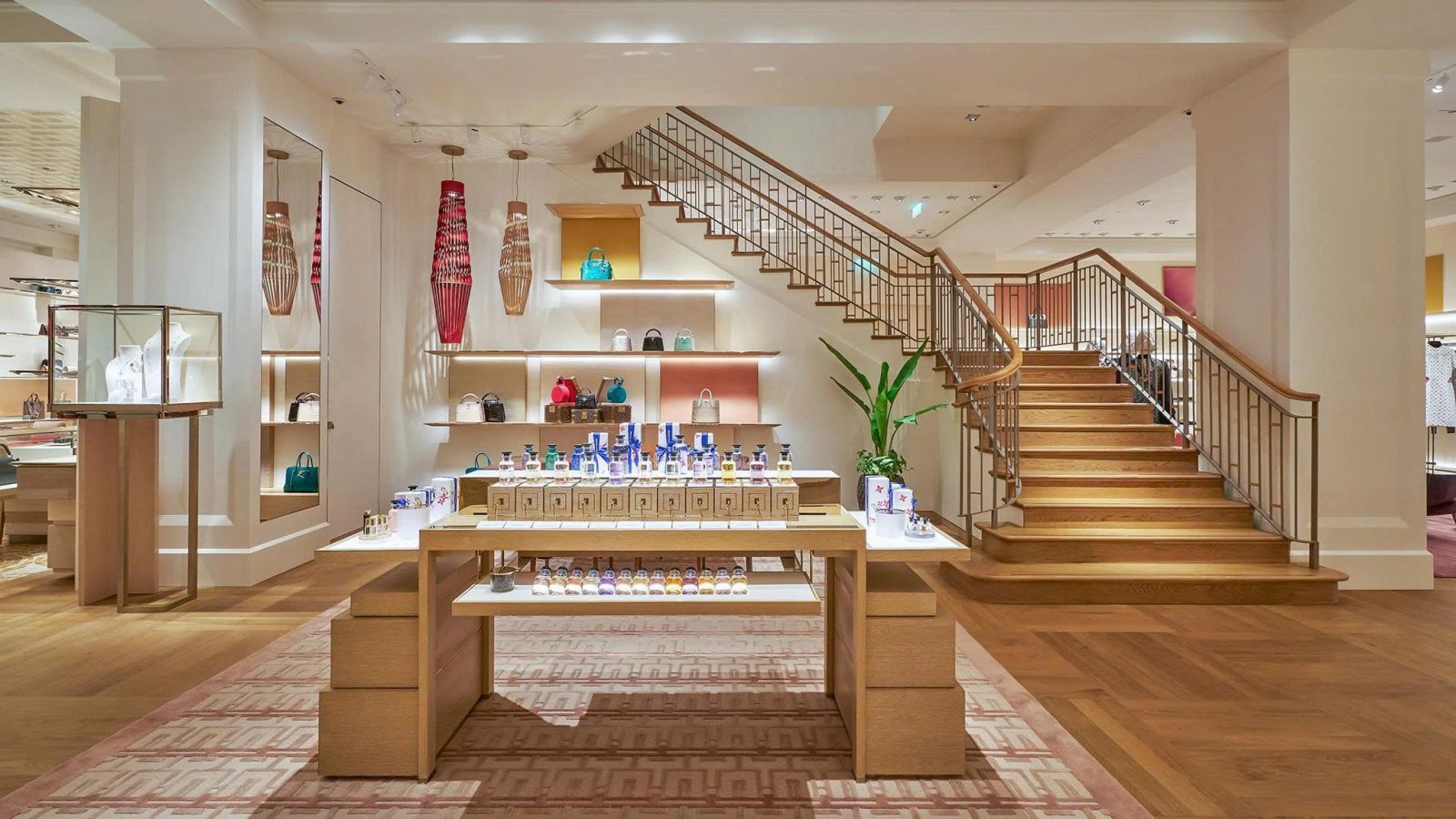
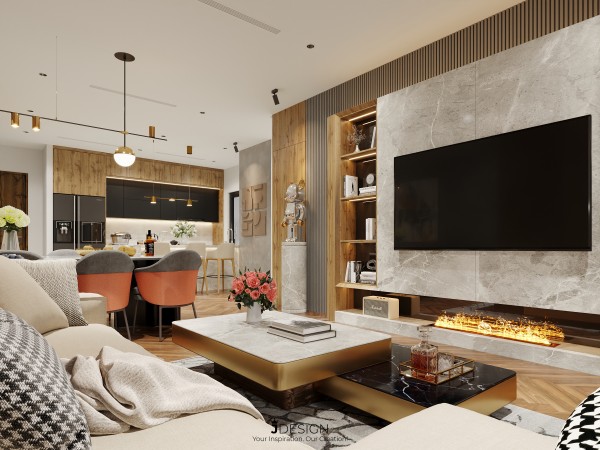
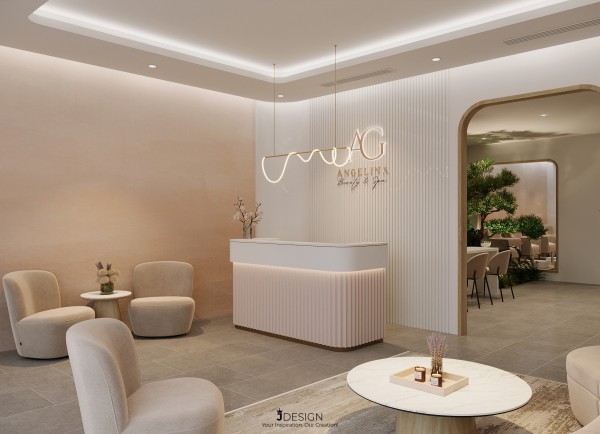
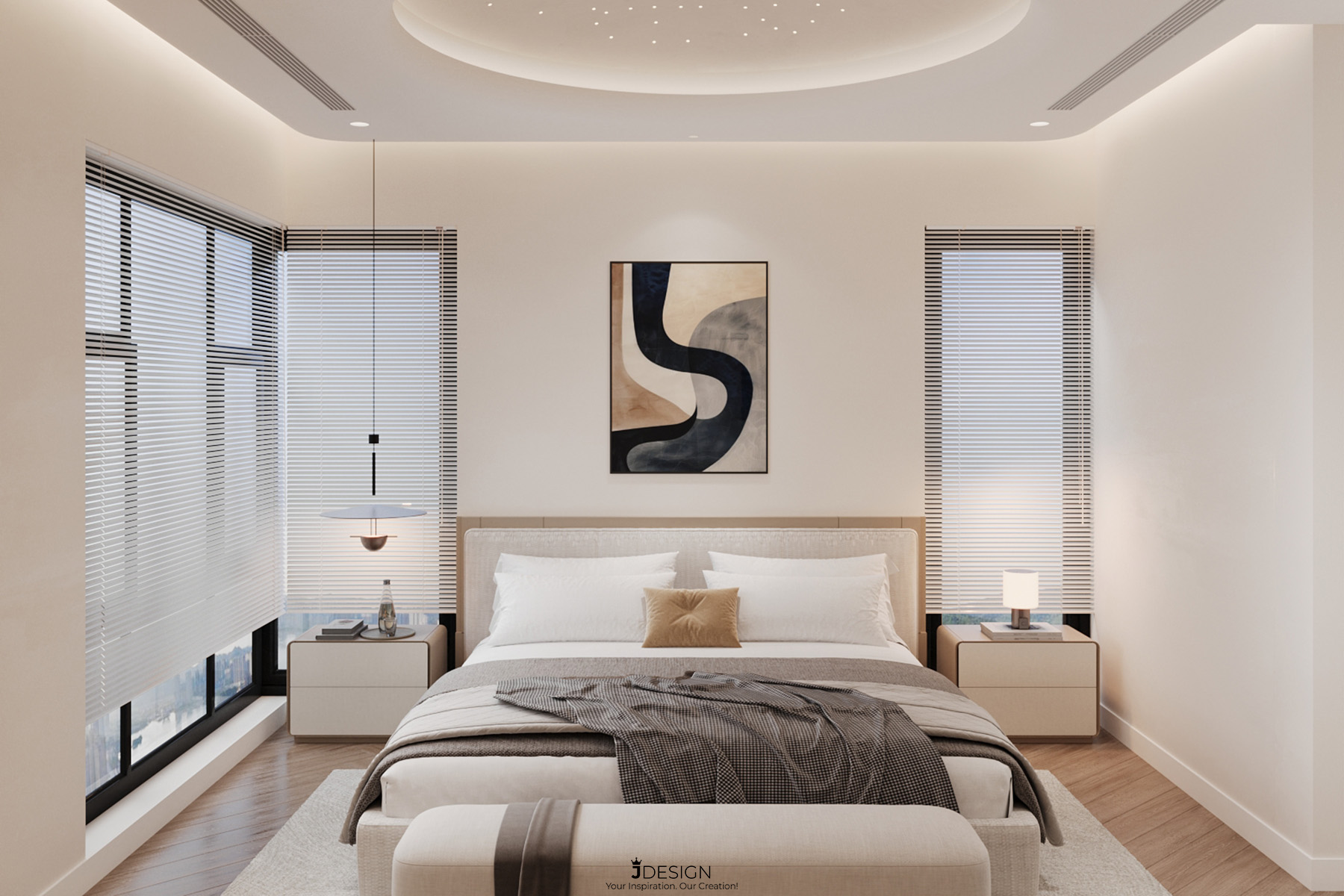
Interior spaces have the power to influence human emotions and perceptions. Warm colors can create a friendly and comfortable atmosphere, while soft lighting can evoke a sense of relaxation and sophistication.
When interior design aligns with the brand story, customers can easily perceive the values the brand wants to convey. This helps strengthen the connection between customers and the brand.
3. Consistency between Interior Design and Brand Identity:
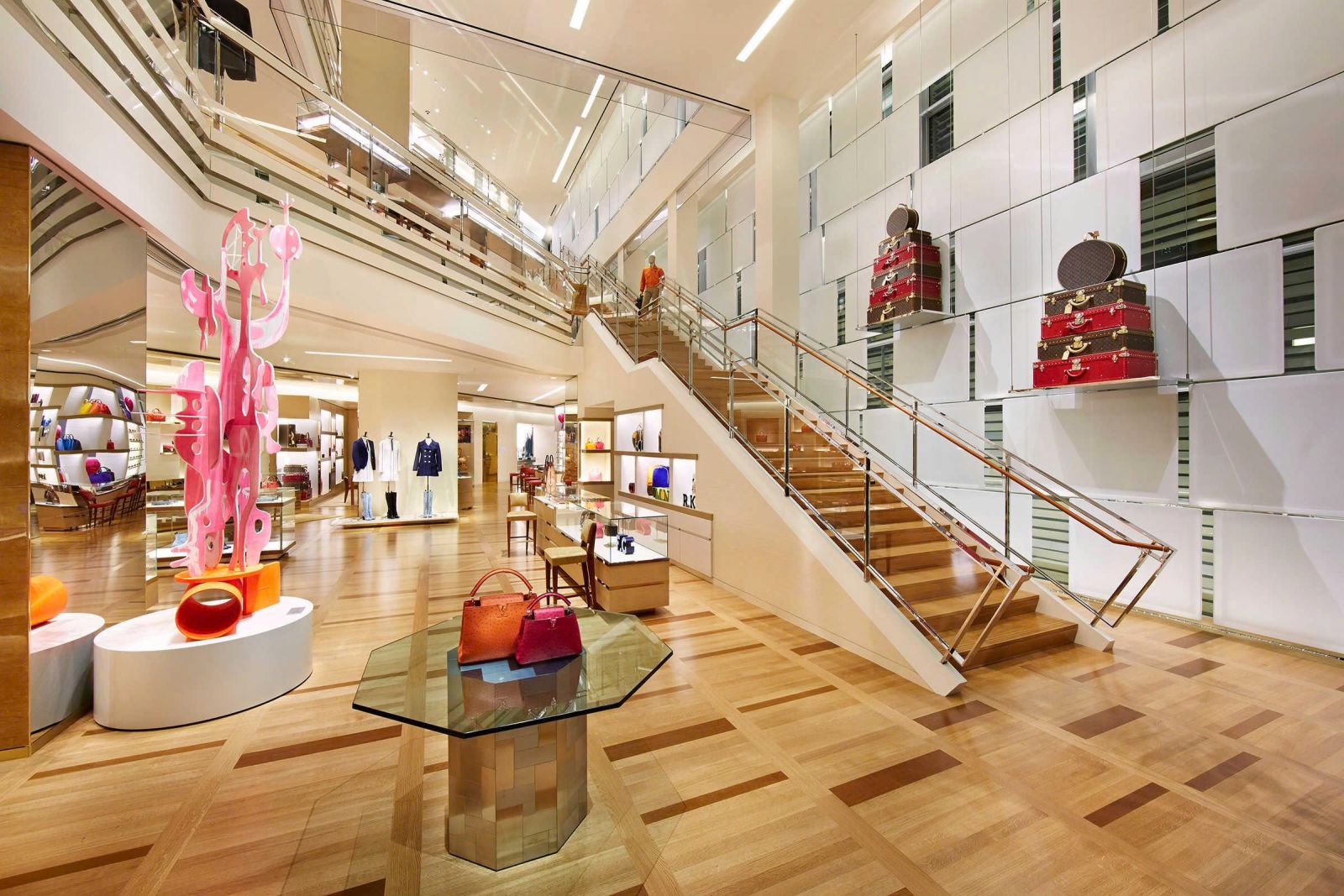
A key element in integrating interior design with brand storytelling is consistency . All elements within the space – from color and furniture to layout – need to align with the brand identity.
If the interior design is inconsistent with the brand image, customers may perceive a contradiction and lose trust. Therefore, interior design should be considered a crucial part of the overall brand building strategy.
IV. Interior Design Elements That Help Convey the Brand Story:

1. Brand Colors and Identity:
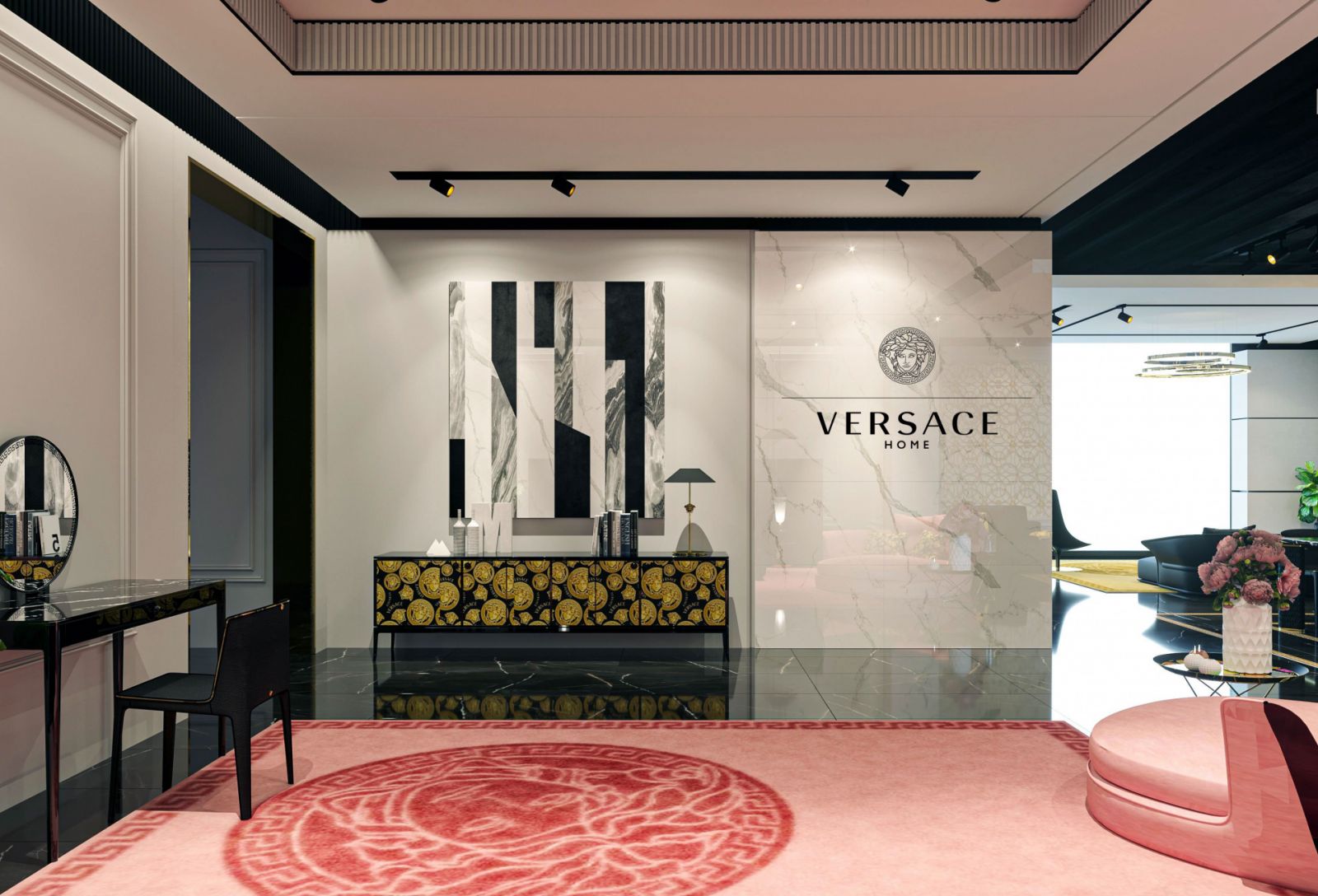
Color is one of the most important elements in brand interior design. Each color carries different psychological meanings and can influence customers' emotions.
Using colors that are consistent with the brand identity helps increase brand recognition and memorability in the minds of customers.
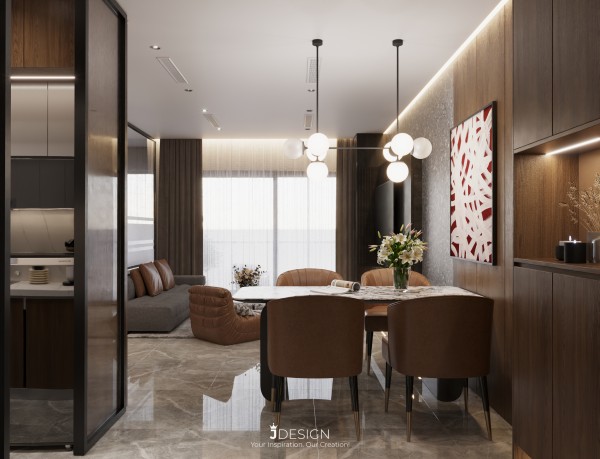
2. Materials and Design Style:

Materials and design style also contribute to expressing the brand's personality. For example:
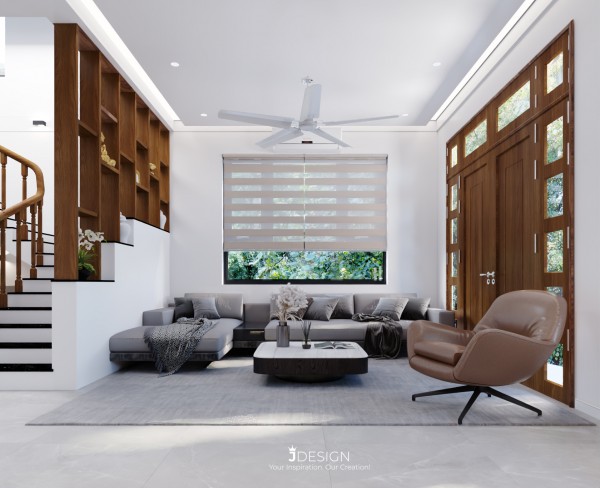
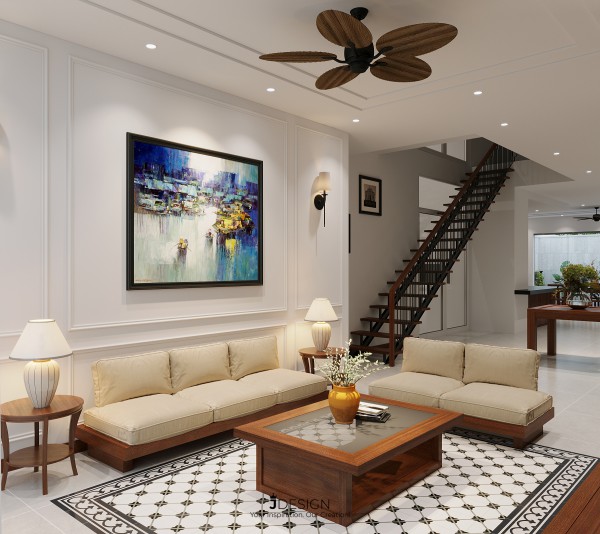
+ Wood and natural materials → feel friendly and sustainable
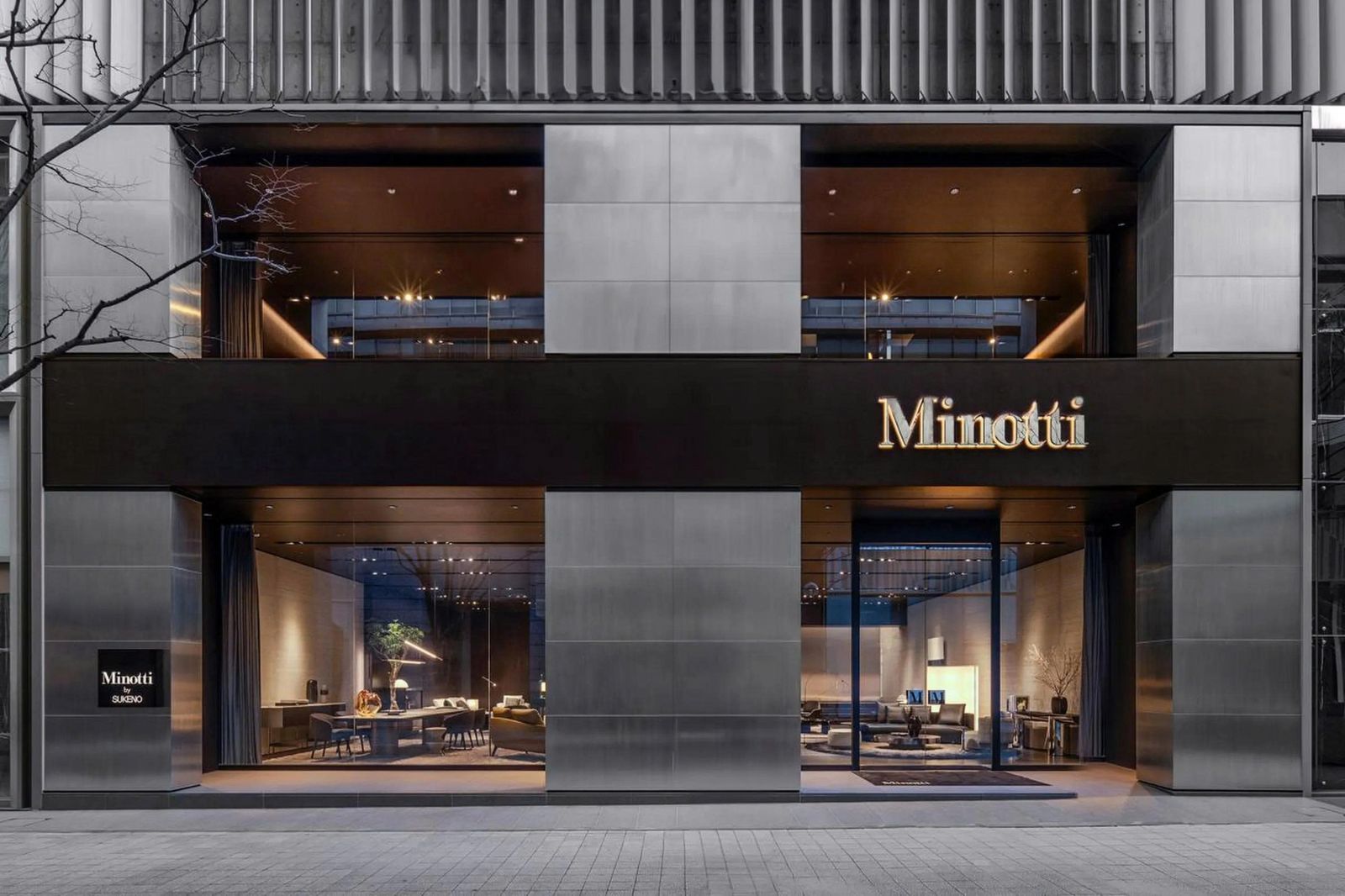
+ Metal and glass → modern, technological style
+ Recycled materials → environmental protection message
3. Lighting and spatial atmosphere:

Lighting serves not only the function of illumination but also helps create atmosphere for a space. Lighting can be used to highlight important areas, create visual focal points, and emphasize brand elements.
4. Spatial layout and customer experience journey:
The spatial layout directly influences how customers move around and interact with a brand. A well-planned layout can create a clear Customer Journey , allowing customers to explore the brand story step by step.

5. Decorations, symbols, and visual storytelling elements:
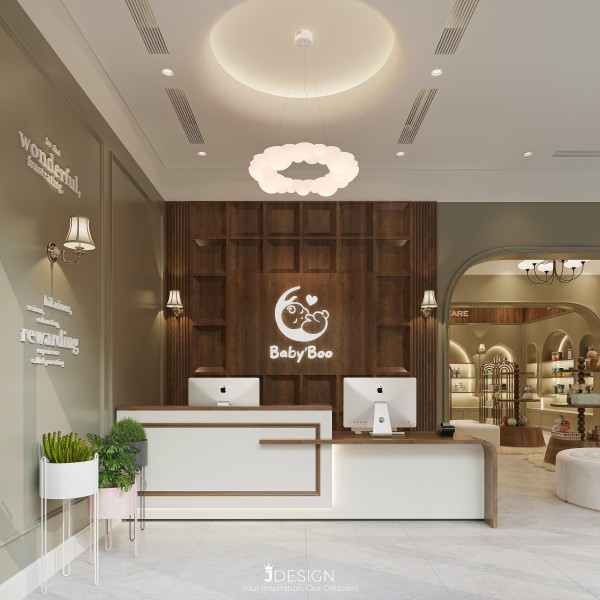
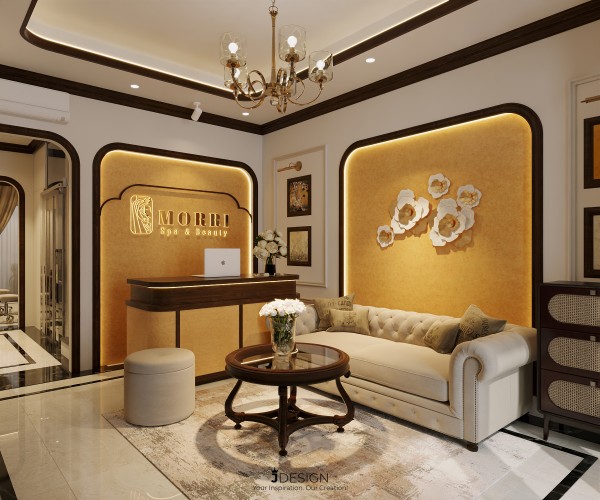
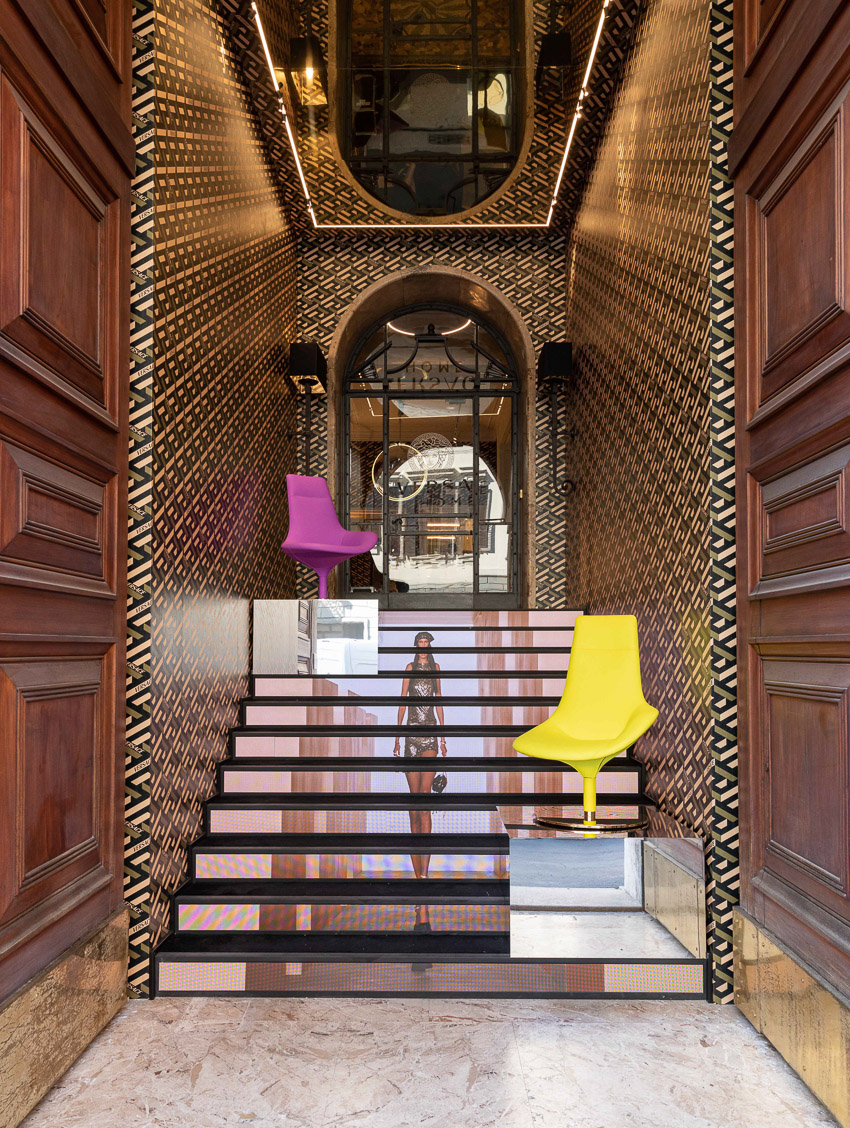
Decorative elements such as artwork, logos, graphics, or display items can help tell a brand story visually. These details make the space more vibrant and reflect the brand's identity.
V. Application of Brand Storytelling in Interior Design:

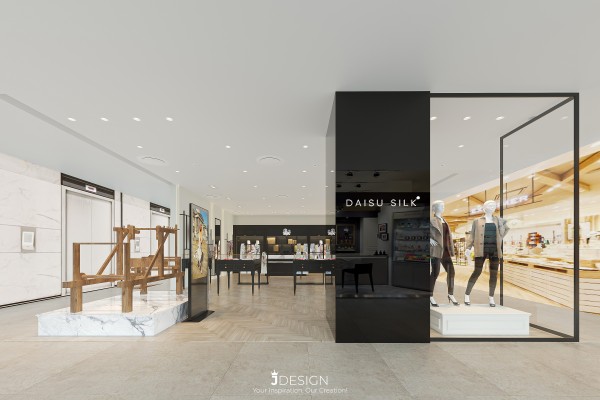
1. Retail Space Design:
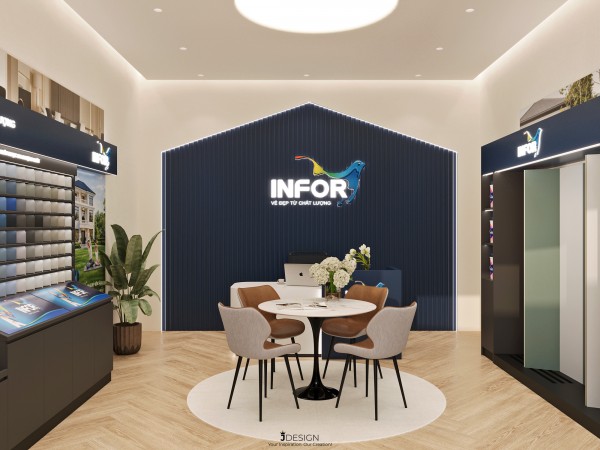
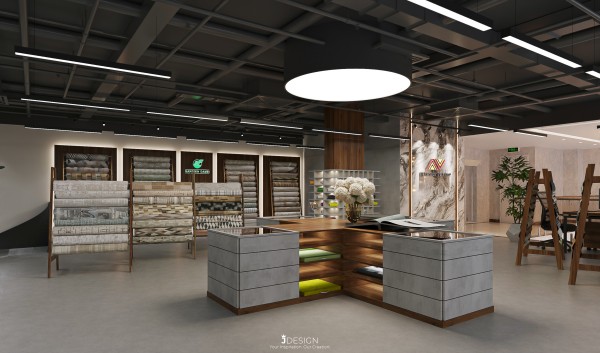
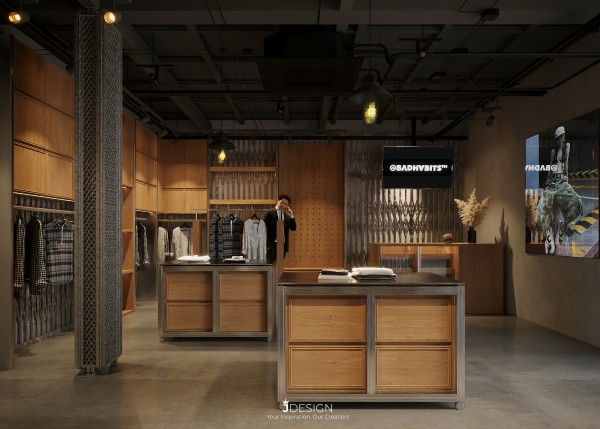
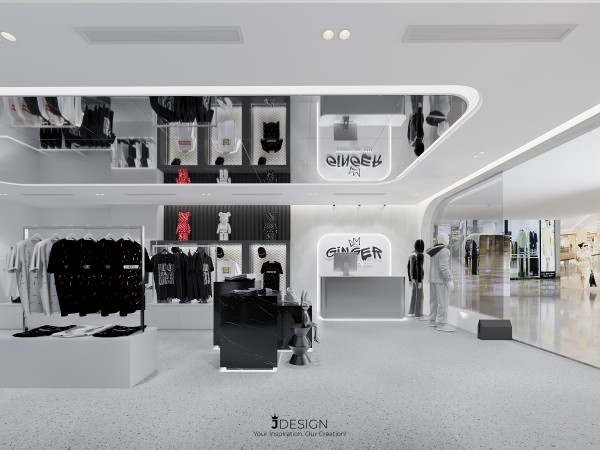
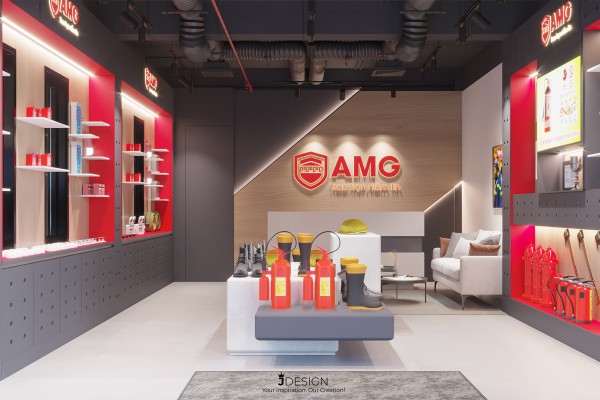
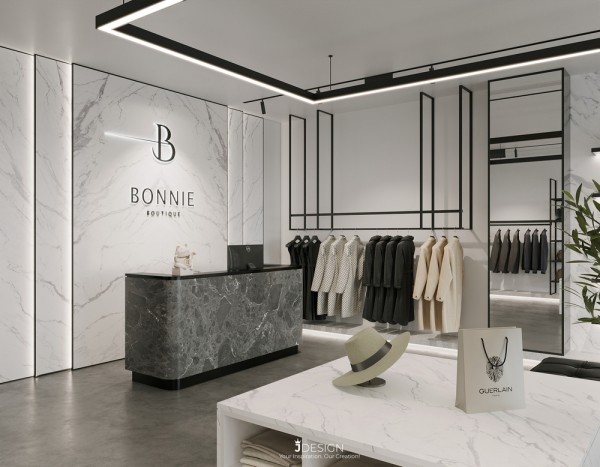
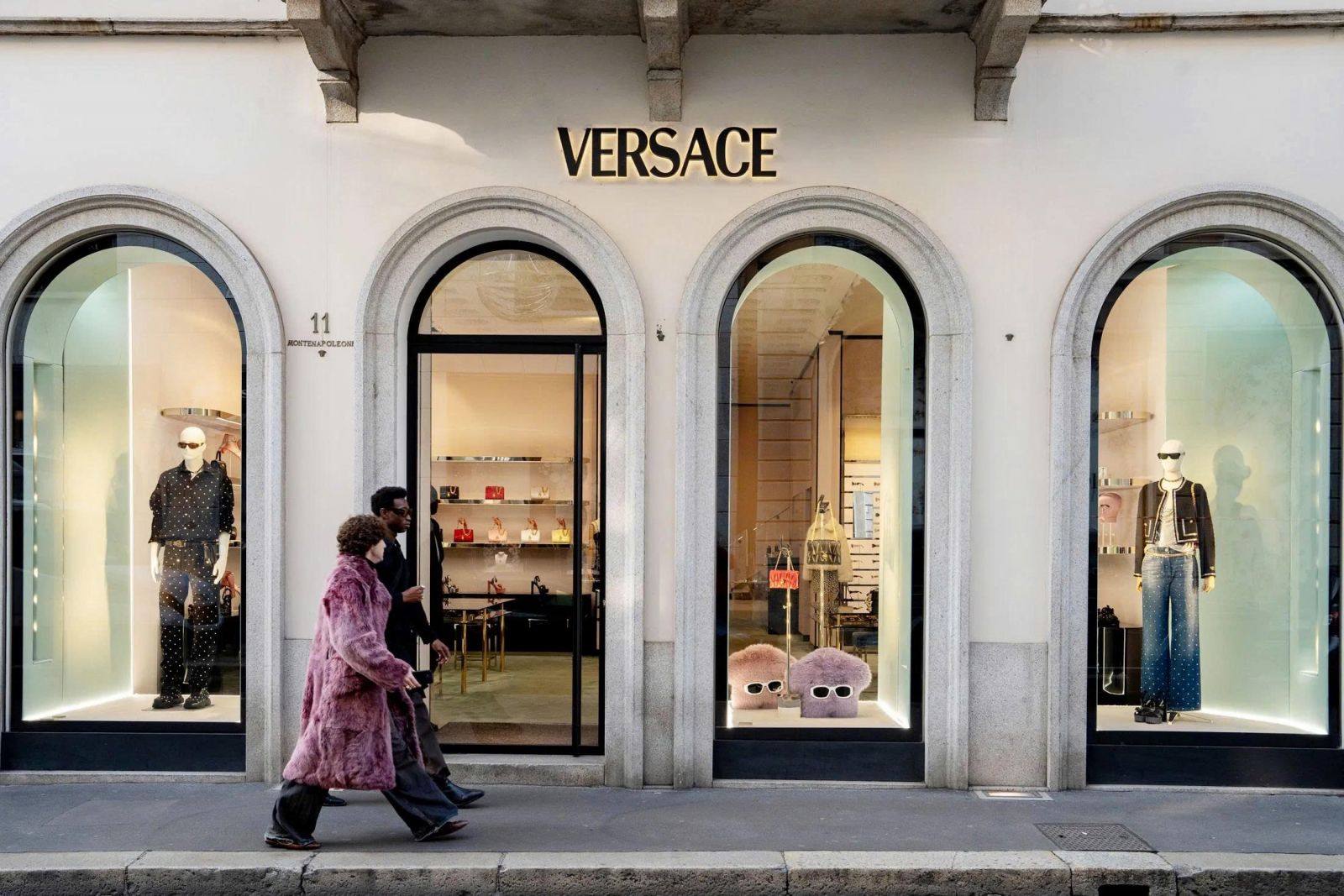
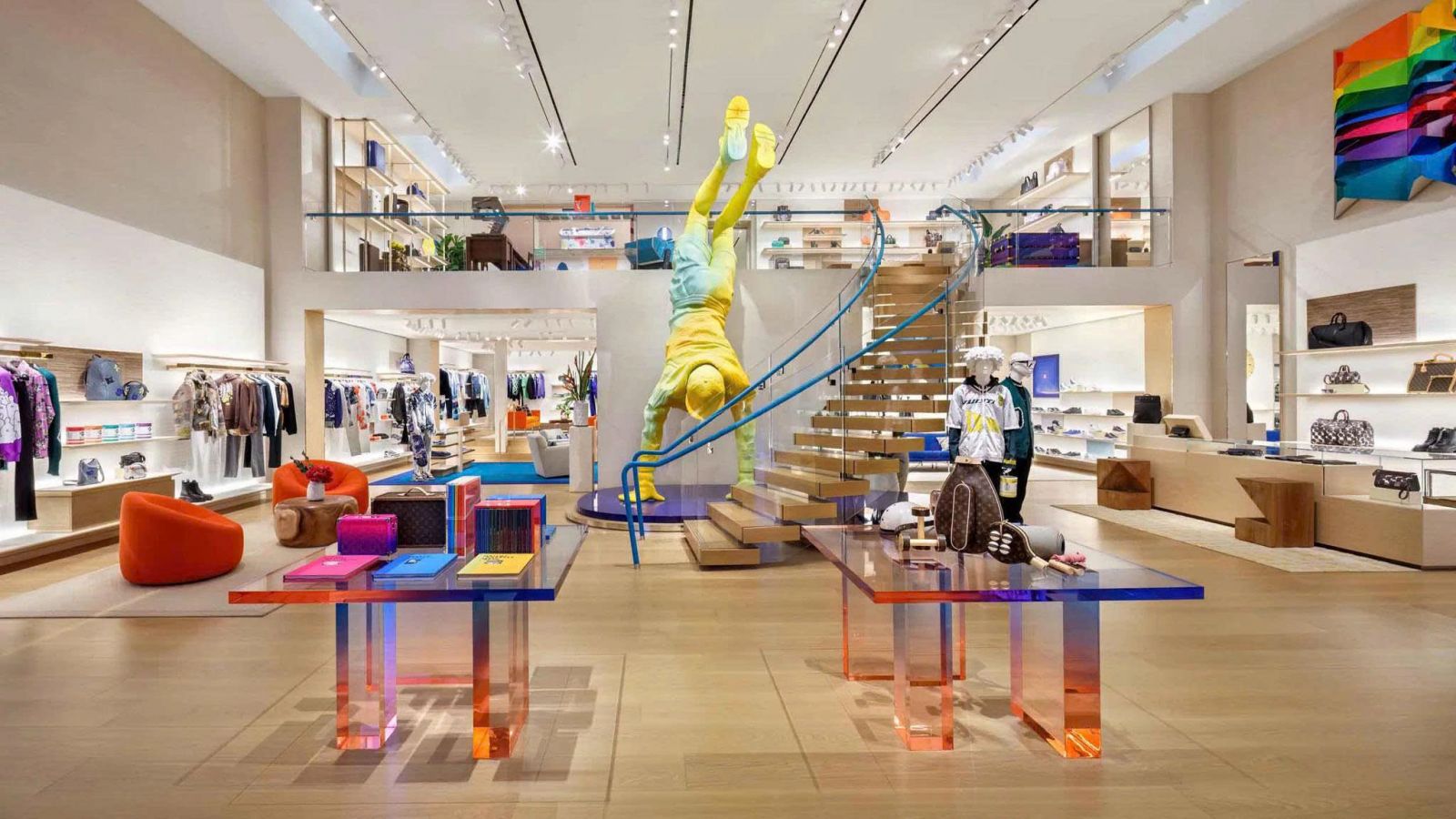
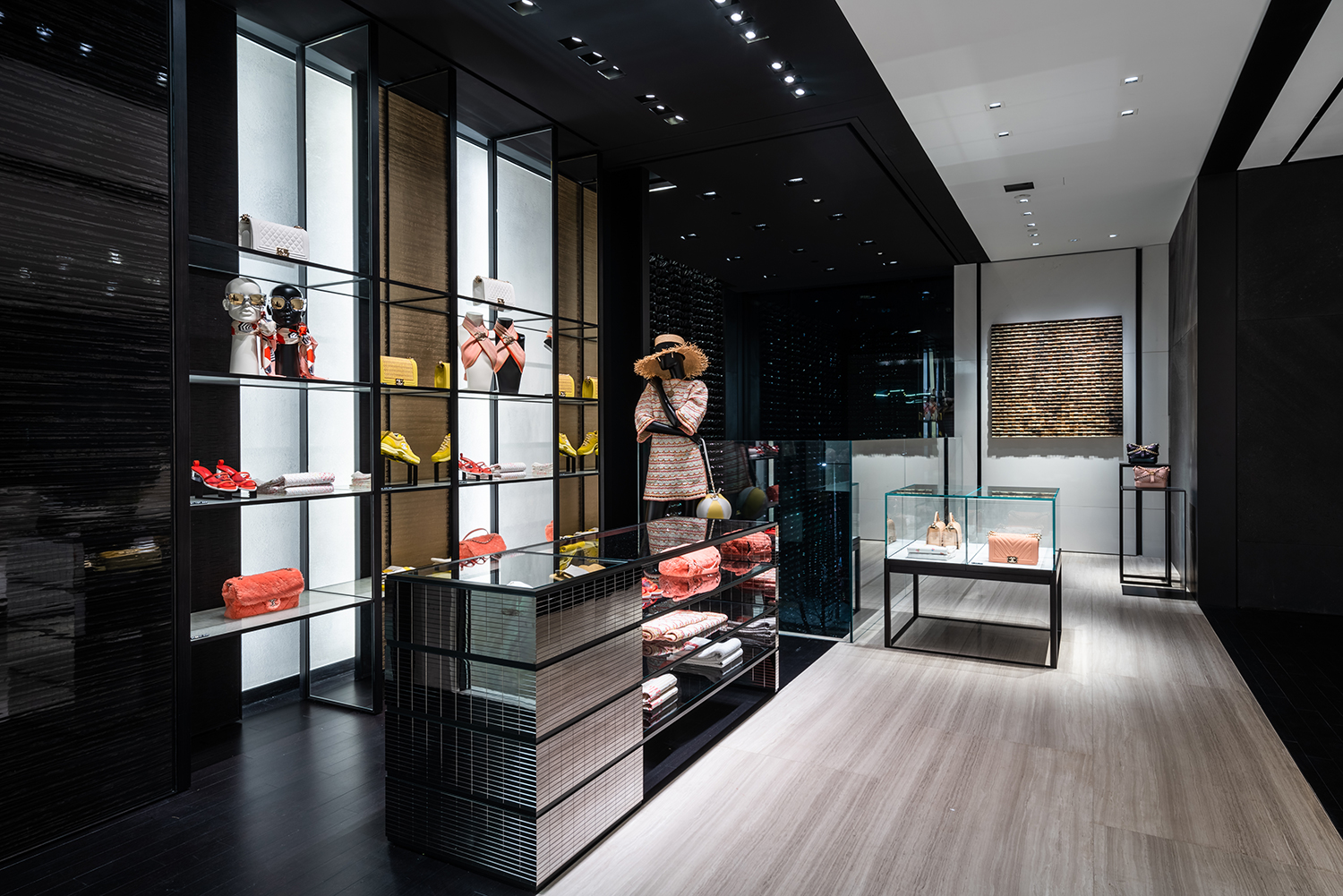
In retail stores, interior design is geared towards guiding customers in discovering products and experiencing the brand. Today's retail spaces are not just places to shop, but also places where customers interact and experience the brand story.
2. Cafe and Restaurant Design:
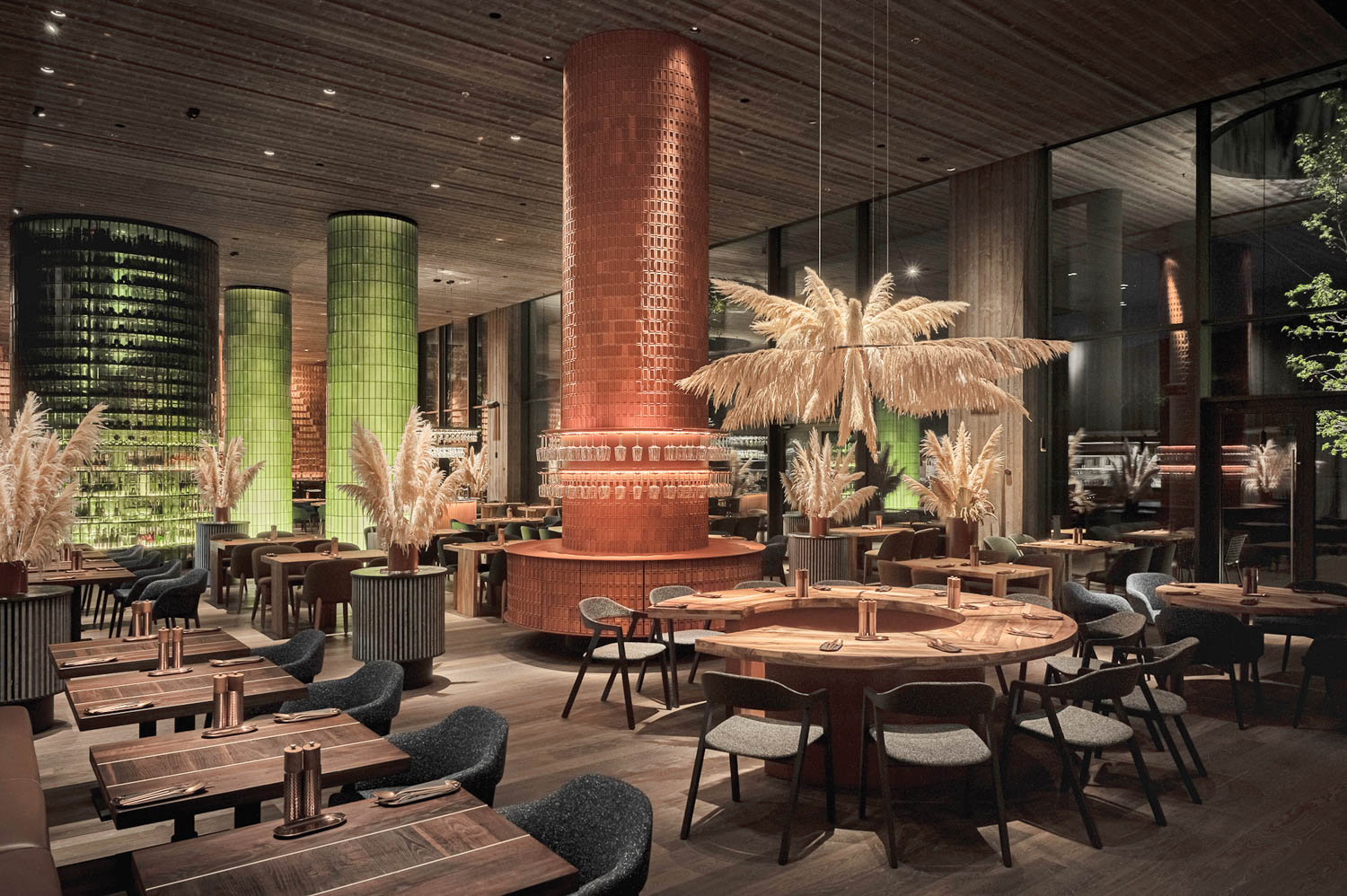
Cafes and restaurants often use interior design to create a distinctive atmosphere, thereby attracting customers and making a unique impression. A space with a clear story will easily become a favorite spot and be shared on social media.
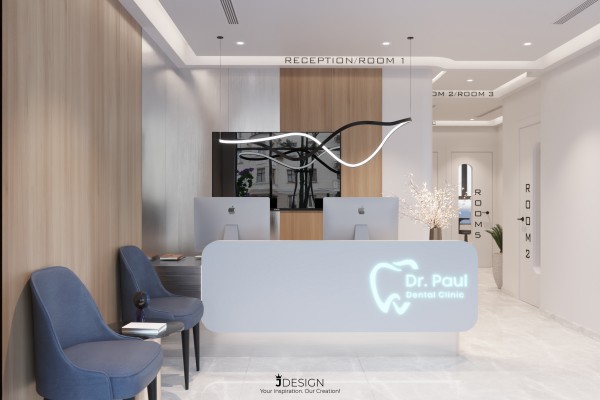
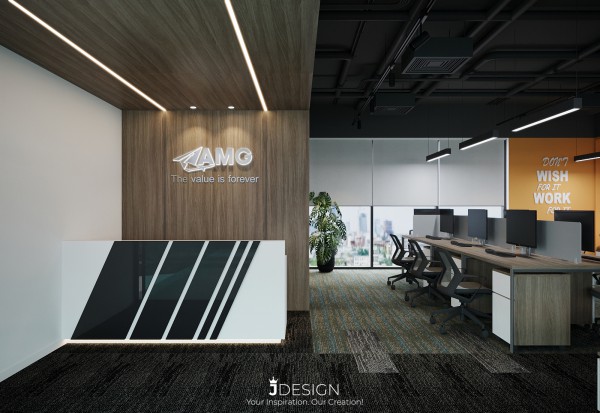
3. Corporate Office Design:
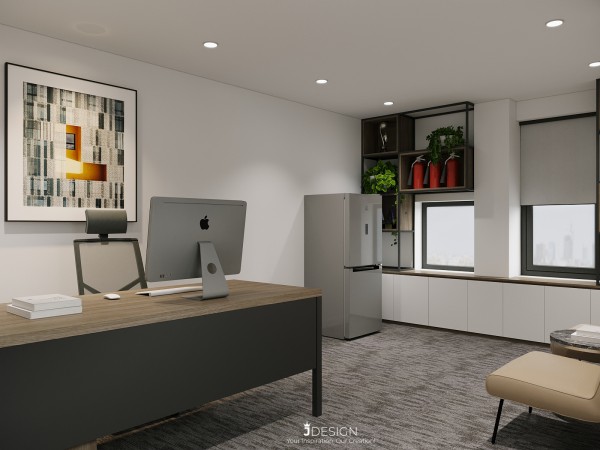
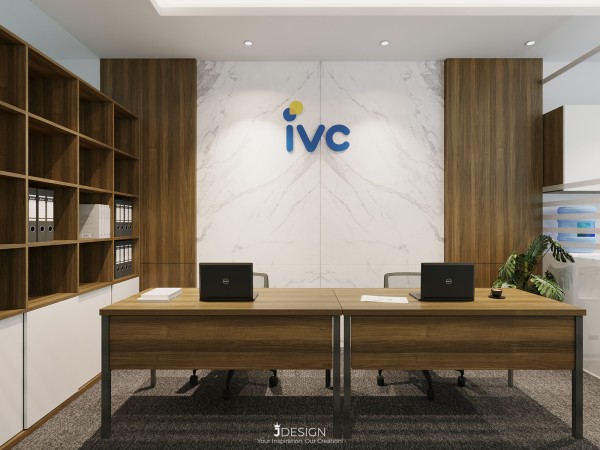
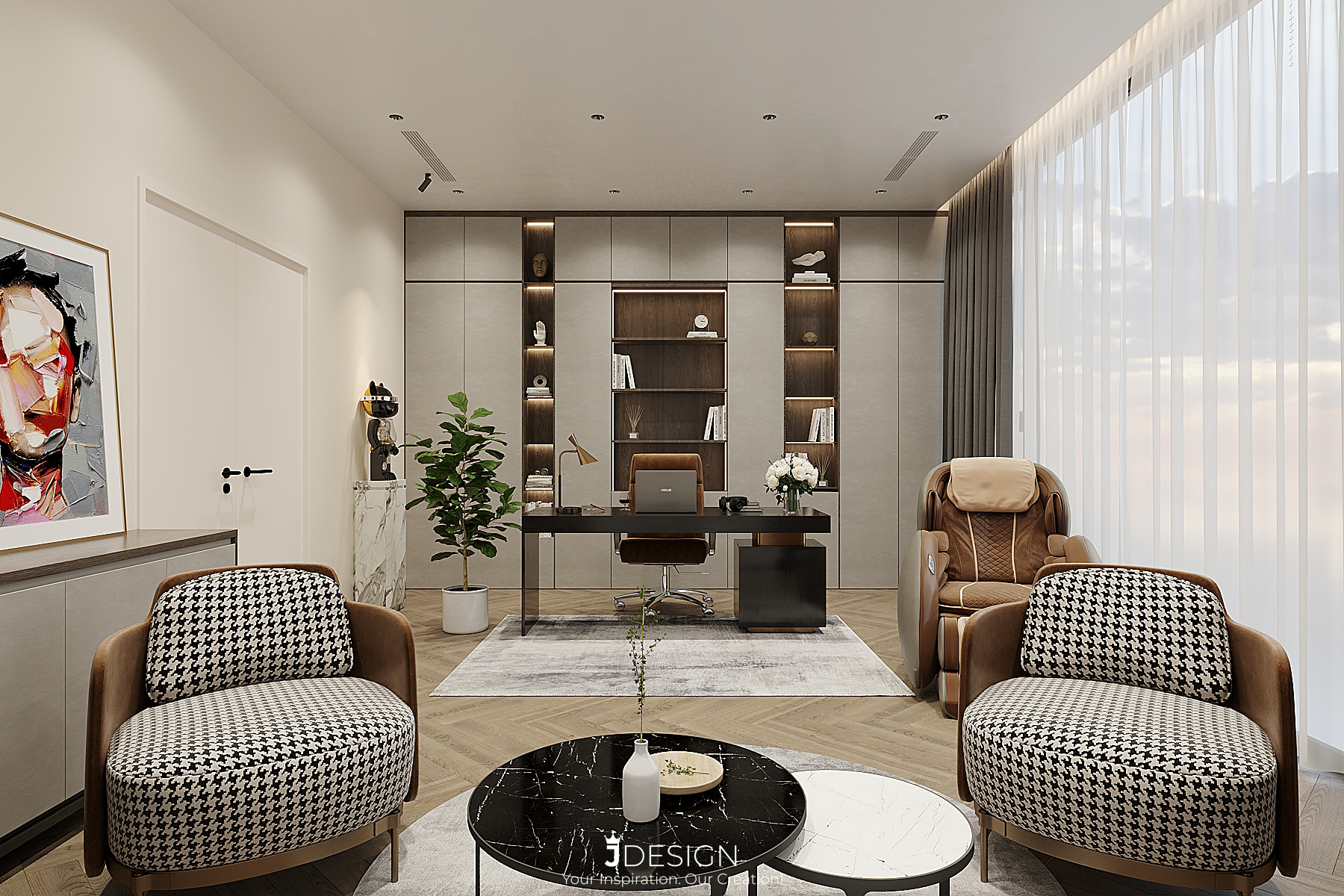
An office is not just a workplace; it's also a place that reflects a company's culture and values. Office interior design can help employees feel more connected to the brand and create a positive impression on partners or clients.

4. Showroom and Brand Experience Space Design:
Showrooms and brand experience spaces are designed so that customers can directly experience the brand story through the space, products, and interactive activities.
VI. Practical examples of interior design linked to a brand story:
1. Analyzing some successful brands:
Many major global brands have successfully used interior design to tell their brand story. For example:
Apple uses a minimalist, modern design to express its philosophy of streamlined and innovative technology.
Starbucks designs its spaces to be cozy, using natural materials to create a "third home" feeling for customers.
These brands have made interior design an important part of their brand-building strategy.
2. Lessons learned from the case studies:
From the examples above, several important lessons can be drawn:
Interior design should clearly reflect the brand identity.
Customer experience must be at the heart of the design.
Consistency across the entire brand space system is a key factor.
VII. Conclusion:
1. The Importance of Interior Design in Conveying the Brand Story:
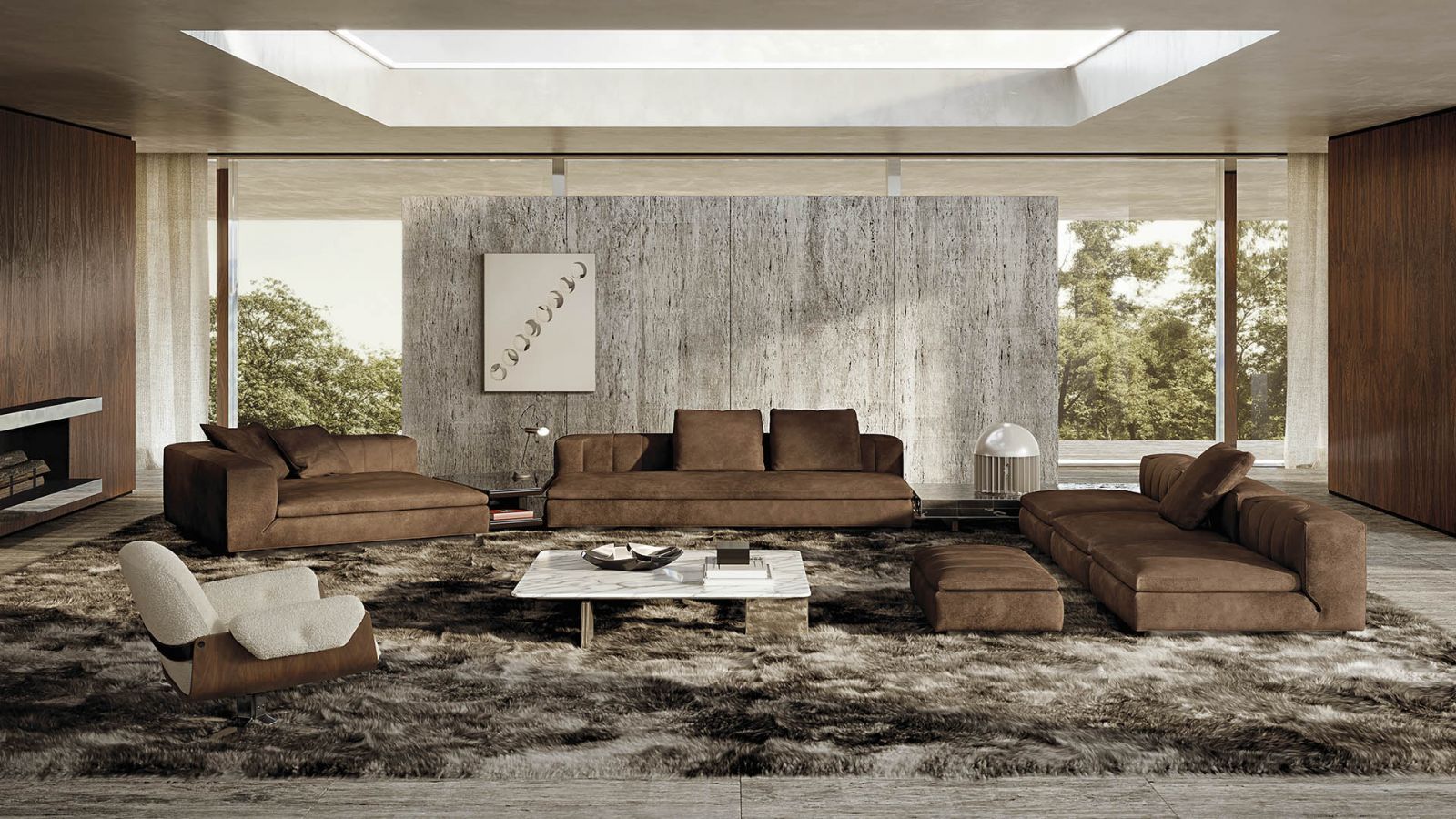
Interior design is not just about aesthetics; it's also a powerful communication tool that helps brands tell their story. When designed correctly, interior spaces can create memorable experiences and help customers connect deeply with the brand.
2. Future trends in Interior Design linked to Brand Storytelling:
In the future, interior design integrated with brand storytelling will become increasingly important as brands seek to create unique and differentiated experiences for customers. Technology, interactive experiences, and sustainable design will play a major role in shaping new brand spaces.
JDesign Co., LTD proudly stands as a professional interior design and construction company. We are confident in providing our clients with comprehensive interior design and construction solutions, featuring the most beautiful designs and the latest trends. We also guarantee high-quality project completion within the most reasonable timeframe and at the most economical cost, always accompanied by excellent warranty and maintenance support during and after project handover.
------------------------------------------------------
JDesign Co., LTD - PROVIDE PACKAGE SOLUTION RELATED TO INTERIOR DESIGN AND CONSTRUCTION!
Contact us now to schedule a Free Consultation/Survey/Quote!
Product warranty up to 03 years – Commitment to product maintenance for life!
For more details please contact:
- Email: contact.jdesignvn@gmail.com
- Tel: (+84) 866.648.298
- Website: https://j-design.vn/
- Fanpage: https://www.facebook.com/jdesignvn
Corporate Office: No. 03, 50 Nguy Nhu Kon Tum Street, Thanh Xuan Ward, Hanoi
JDesign - Your Inspiration. Our Creation!
#jdesignvn #interior #interiordesign #interiordecor